
When temperatures drop, most people instinctively reach for thicker coats, warmer gloves, and insulated boots. Yet one of the most overlooked pieces of cold-weather gear is heated pants. While heated jackets have gained mainstream popularity, heated lower-body apparel remains underappreciated—despite the fact that cold legs and numb extremities can ruin outdoor experiences just as quickly as a chilly torso. Whether you are an avid skier, an outdoor worker, or someone who simply despises winter’s bite, this comprehensive buyer’s guide will help you navigate the world of heated pants and find the perfect pair.
What Are Heated Pants?
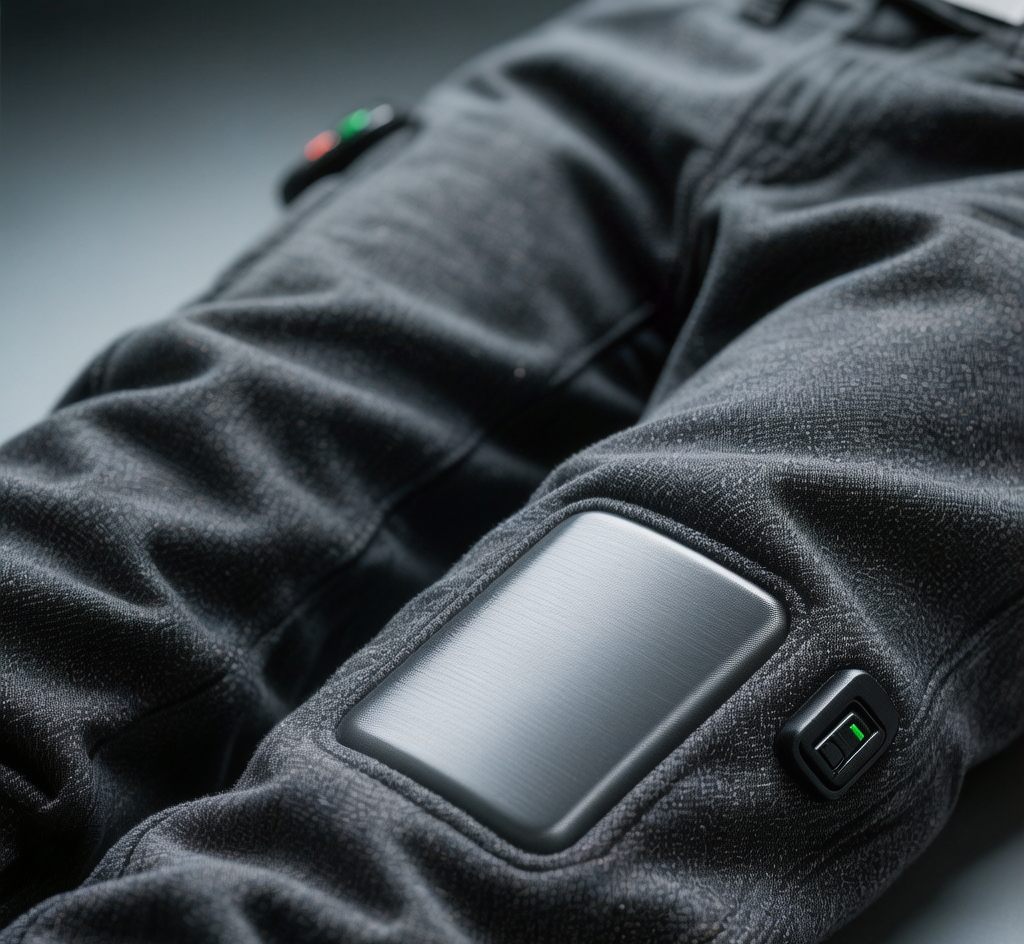
Heated pants are battery-powered garments designed to generate warmth around the thighs, knees, and sometimes lower legs or waist. Much like their upper-body counterparts, they use integrated heating elements powered by rechargeable lithium-ion batteries to deliver on-demand heat. Available in styles ranging from base layer leggings to rugged work trousers, heated pants cater to a diverse array of activities and professions.
The technology has evolved significantly over the past decade. Early models were bulky, uncomfortable, and short-lived. Today’s battery heated pants are lightweight, flexible, and capable of delivering hours of consistent warmth without restricting movement.
Why Invest in Heated Pants?
Before diving into features and specifications, consider the unique benefits that heated pants offer compared to traditional insulated trousers.
Targeted Lower-Body Warmth
Your legs contain major muscle groups and blood vessels that are highly susceptible to cold. When legs chill, blood vessels constrict, reducing circulation and making your entire body feel colder. Electric heated pants address this directly, maintaining comfortable leg temperatures that promote better overall thermoregulation.
Enhanced Mobility
Traditional winter pants achieve warmth through thick insulation, which often restricts movement. Heated pants can achieve equivalent or superior warmth with thinner, more flexible materials. This is especially valuable for activities like skiing, snowboarding, hiking, and construction work that demand agility.
Extended Time Outdoors
Cold legs are often the reason people cut outdoor activities short. By eliminating this discomfort, heated trousers allow you to stay outside longer—whether that means extra runs down the mountain, more hours on the job site, or extended hunting sessions.
Medical and Circulatory Benefits
Individuals with circulation issues, arthritis, or Raynaud’s syndrome often find heated pants therapeutic. The gentle warmth soothes stiff joints, improves blood flow, and reduces pain associated with cold exposure.
Types of Heated Pants
The market offers several distinct styles of heated pants, each suited to different uses.
Heated Base Layers
These are thin, form-fitting leggings designed to be worn under other clothing. Heated base layers prioritize flexibility and moisture-wicking, making them ideal for high-intensity activities like skiing, running, and cycling. They provide subtle warmth without adding bulk.
Heated Softshell Pants
Softshell heated pants strike a balance between weather resistance and mobility. They typically feature a water-resistant outer fabric, a brushed fleece interior, and heating elements in the thighs and knees. These are versatile enough for hiking, camping, and casual outdoor wear.
Heated Work Pants
Built for durability, heated work pants include reinforced knees, multiple tool pockets, and heavy-duty fabrics. They are designed for construction workers, utility technicians, farmers, and anyone whose job demands both warmth and ruggedness.
Heated Hunting and Fishing Pants
Camouflage patterns, scent-control technology, and silent fabrics define this category. Heated pants for hunters and anglers often include additional padding for long periods of sitting or kneeling in cold, wet environments.
Key Features to Evaluate
When comparing heated pants, pay close attention to the following specifications.

Heating Zones
The placement of heating elements directly impacts comfort and effectiveness. Most heated pants focus on the thighs and knees, as these areas are most vulnerable to cold and least protected by torso-warming layers. Premium models may add zones along the lower back, calves, or hips.
More zones generally mean better heat distribution, but they also increase cost and power consumption. Consider your primary activity: skiers may want knee-focused heating, while hunters might prefer thigh and seat warmth.
Battery Life and Power
Battery performance is a critical factor. Typical battery heated pants include 7.4V lithium-ion battery packs with capacities between 4,000mAh and 7,000mAh. Runtime varies by heat setting:
- Low: 8–12 hours
- Medium: 5–8 hours
- High: 3–5 hours
If you plan full-day excursions, prioritize models with extended battery life or purchase spare battery packs. USB compatibility is a bonus, allowing you to charge phones or GPS devices from the same battery.
Temperature Settings
Most heated pants offer three heat levels, controlled by a button on the waistband or thigh. Look for clear LED indicators that display the current setting. Advanced models may offer Bluetooth app control for precise temperature adjustment.
Material and Construction
Outer materials determine weather resistance and durability. Common options include:
- Polyester blends: Lightweight, quick-drying, and affordable.
- Nylon: Stronger and more abrasion-resistant than polyester.
- Softshell fabrics: Offer stretch, breathability, and water resistance.
- Hard-shell laminates: Provide waterproofing for extreme conditions.
Inner linings should be soft against the skin and capable of wicking moisture. Seams should be reinforced, and zippers should be smooth and snag-resistant.
Fit and Sizing
Heated pants must fit properly for heating elements to align with your body. Too loose, and heat dissipates before reaching your skin. Too tight, and comfort suffers. Consult manufacturer sizing charts carefully, and read user reviews for guidance on whether a particular model runs large or small.
Some brands offer adjustable waistbands, articulated knees, and stretch panels to improve fit and mobility.
How to Choose Heated Pants for Your Activity
Skiing and Snowboarding
For resort skiing and backcountry touring, prioritize lightweight heated base layers that fit under shell pants. Look for moisture-wicking fabrics and knee-focused heating. Battery placement should not interfere with boot buckles or knee pads.
Hunting and Fishing
Choose durable outer heated pants with camouflage or earth-tone patterns. Scent-control technology, quiet fabrics, and seat padding are valuable additions. Long battery life is essential for dawn-to-dusk outings.
Outdoor Work
Heated work pants should emphasize durability, reinforced knees, and multiple pockets. High-visibility options are available for safety compliance. Battery life should cover full shifts, and materials must withstand abrasive surfaces.
Daily Commuting and Casual Wear
If you want heated trousers for walking the dog, commuting, or running errands, comfort and aesthetics matter most. Softshell or fleece-lined styles that resemble casual pants are ideal. Discreet battery pockets and quiet fabrics prevent drawing attention.
Care and Maintenance
Proper care extends the life of your heated pants and ensures safe operation.
Washing Instructions
Always remove the battery before washing. Most heated pants are machine washable on gentle cycles with cold water. Use mild detergent and avoid bleach or fabric softeners. Air drying is preferred; if machine drying is permitted, use the lowest heat setting.
Battery Maintenance
Store batteries at moderate temperatures and recharge them every few months during off-seasons. Avoid exposing batteries to extreme heat or moisture. Replace batteries when runtime noticeably degrades.
Inspecting Heating Elements
Periodically check for signs of wear, such as frayed wires, damaged panels, or inconsistent heating. If you notice hot spots or complete failures, discontinue use and contact the manufacturer.
Common Concerns and Misconceptions
Are Heated Pants Safe?
Yes, when purchased from reputable manufacturers. Modern electric heated pants use low-voltage systems (7.4V or 12V) with built-in safety features like automatic shutoffs and overheat protection. The risk of electric shock or burns is minimal under normal use.
Do Heated Pants Get Too Hot?
Most models reach maximum temperatures around 130°F (55°C), which is warm but not dangerous through fabric layers. Three heat settings allow you to adjust comfort levels, and safety sensors prevent overheating.
Are They Bulky and Uncomfortable?
Early generations were bulky, but contemporary heated pants integrate slim heating panels and compact batteries that add minimal bulk. Many users forget they are wearing heated apparel after a few minutes.
Can I Wear Them on Airplanes?
Lithium-ion batteries must typically be carried in carry-on luggage rather than checked bags. Heating elements in garments are generally permitted, but it is wise to check specific airline regulations and TSA guidelines before traveling.
Pricing Overview
Heated pants span a wide price range:
- Budget (60–60–100): Basic heating, limited zones, shorter battery life. Suitable for occasional use.
- Mid-Range (100–100–180): Better materials, more heating zones, improved battery life. Ideal for most users.
- Premium (180–180–300+): Advanced features, app control, superior fabrics, extended warranties. Best for serious enthusiasts and professionals.
Conclusion
Heated pants are no longer a niche novelty—they are a practical, proven solution for anyone who refuses to let cold weather dictate their activities. By understanding the different styles, key features, and activity-specific considerations outlined in this guide, you can confidently select a pair that matches your needs and budget. Whether you are carving turns on a mountainside, working a frozen job site, or simply walking through a winter wonderland, the right heated pants keep your lower body warm, mobile, and ready for whatever the season brings.


