
With winter gear prices climbing and new technologies emerging every season, consumers face a legitimate question: are heated pants actually worth the money? At first glance, paying 100to100to250 for a pair of battery-powered trousers seems extravagant—especially when traditional thermal leggings and insulated pants cost a fraction of the price. Yet thousands of outdoor workers, winter sports enthusiasts, and cold-weather commuters swear by them. To help you make an informed decision, this article examines the real pros and cons of heated pants, analyzes the cost-benefit equation, and shares insights from actual users who have put these garments to the test.
The Case for Heated Pants: Key Advantages
Active Warmth Where You Need It Most
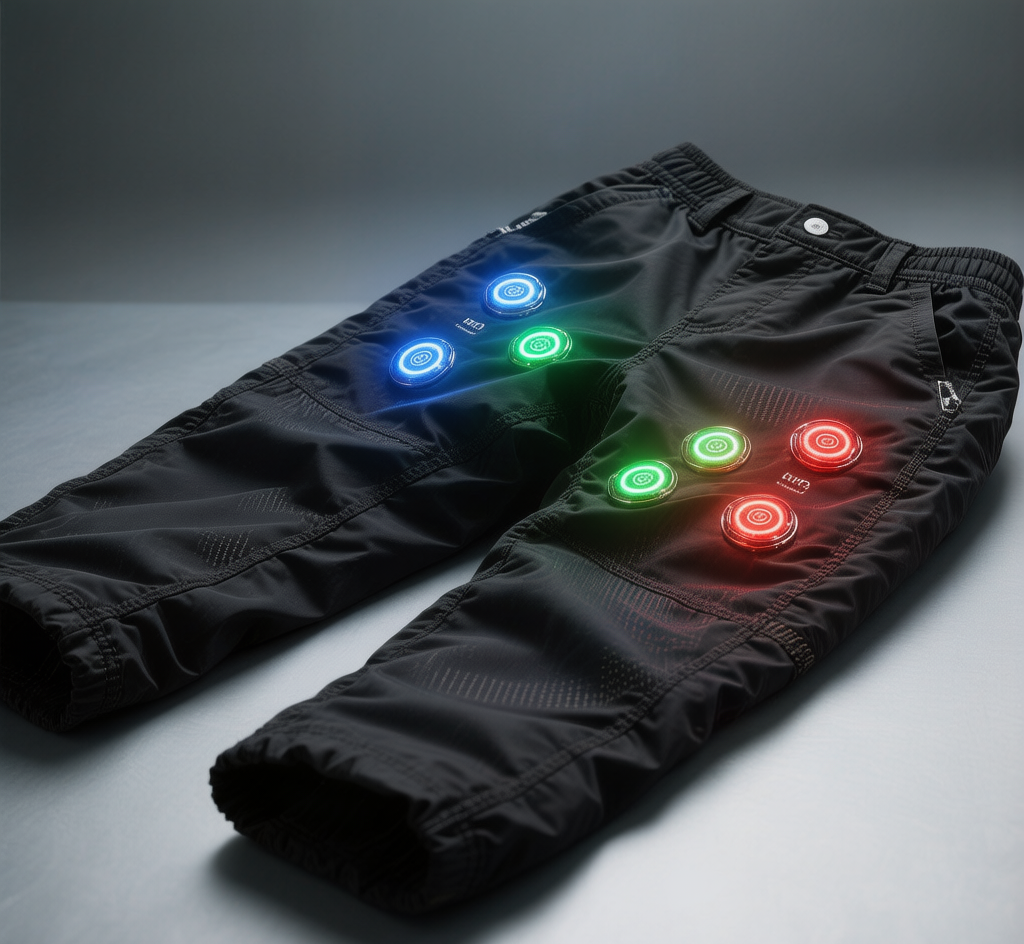
The most obvious benefit of heated pants is their ability to generate active warmth rather than merely trapping body heat. Traditional pants rely on insulation thickness, which creates bulk and still leaves you cold if your metabolism drops or wind cuts through fabric layers. Battery heated pants deliver consistent, adjustable heat directly to your thighs, knees, and sometimes hips—areas where cold accumulates fastest and causes the most discomfort.
Users consistently report that the sensation of warmth spreading across their legs transforms outdoor experiences. Instead of counting down the minutes until they can retreat indoors, they find themselves staying outside longer and enjoying activities more fully.
Improved Circulation and Reduced Stiffness
Cold temperatures cause blood vessels to constrict, reducing circulation to extremities. For people with arthritis, poor circulation, or Raynaud’s syndrome, this can mean painful, stiff joints and numbness. Electric heated pants counteract these effects by maintaining warmth that keeps blood flowing freely.
Many users over the age of 50 describe heated pants as “life-changing” for daily winter walks or outdoor chores. The gentle warmth soothes aching knees and hips, reducing reliance on pain medications and allowing more active lifestyles during colder months.
Less Bulk, More Mobility
To achieve equivalent warmth with traditional clothing, you typically need multiple layers: long underwear, fleece pants, and insulated shell trousers. This layering restricts movement, adds weight, and creates awkward bulk around the waist and knees. Heated trousers can replace or reduce several of these layers while delivering superior warmth. The result is greater freedom of movement for skiing, climbing, hunting, or manual labor.
Outdoor workers particularly appreciate this benefit. Construction workers, utility technicians, and farmers report that heated pants allow them to bend, kneel, and climb without the resistance of thick, layered clothing.
Adjustable Comfort for Changing Conditions
One of the underrated advantages of heated pants is control. A brisk morning may demand high heat, but as temperatures rise or your activity level increases, you can dial down the setting or turn the heat off entirely. Traditional clothing offers no such flexibility—once you are overdressed, you must stop and remove layers.
This adjustability makes heated pants surprisingly versatile across seasons. Users report wearing them during chilly autumn mornings, frigid winter afternoons, and even cool spring evenings, simply modulating the heat output as needed.
The Drawbacks: Honest Considerations
Higher Upfront Cost
There is no avoiding the price premium. Quality heated pants start around 100andcanexceed100andcanexceed250 for premium models. Compare that to 30–30–60 for quality thermal underwear or 80–80–150 for insulated snow pants, and the investment is significant.
For occasional winter users, this cost may be hard to justify. If you only face extreme cold a few days per year, traditional layering remains the more economical choice.
Battery Dependence and Charging Hassles
Heated pants are only useful when the battery has charge. Forget to recharge overnight, and you are left with expensive, non-heated trousers. Battery life also degrades over time; after a few seasons, you may need replacement batteries costing 40–40–80 each.
Users who travel to remote areas without power access must carry spare batteries or portable chargers, adding weight and logistics to their trips.
Maintenance Requirements
Unlike simple fleece or nylon pants, battery heated pants require mindful care. Batteries must be removed before washing. Some models demand hand washing or specific detergent types. The electrical components, while durable, add complexity that traditional clothing simply does not have.
If you are someone who tosses everything in the washer without reading labels, heated pants may prove frustrating.
Potential Durability Concerns
Any garment containing wires, batteries, and electronic controllers has more failure points than standard apparel. Users occasionally report issues like uneven heating, malfunctioning controllers, or battery connection problems. While reputable brands address these through warranties, the hassle of returns and repairs is a consideration.
Weight and Fit Adjustments
Although modern designs have minimized bulk, battery packs still add weight—typically 8 to 12 ounces per battery. Some users notice this initially, particularly if batteries are positioned at the waist or thigh. Additionally, the heating panels and wiring create slight rigidity that can affect fit compared to purely textile garments.

Real User Experiences: What Owners Actually Say
To move beyond marketing claims, here are recurring themes from verified purchaser reviews and user testimonials across major retail platforms and outdoor forums.
Positive Feedback Themes
“Game-changer for hunting” Hunters frequently praise heated pants for extending their time in blinds and tree stands. The ability to remain still for hours without legs going numb allows for more successful hunts and more enjoyable experiences. Users emphasize that battery life on medium settings is typically sufficient for dawn-to-dusk outings.
“Finally, winter walks are bearable” Older users and individuals with circulation issues describe heated pants as enabling activities they had previously abandoned during winter. Dog owners, in particular, mention that heated lower-body apparel makes daily walks in freezing temperatures genuinely pleasant rather than endured.
“Surprisingly comfortable under ski pants” Skiers and snowboarders using heated base layer pants report that the slim profile fits well under shell pants without bunching or restricting movement. The knee-focused heating receives especially positive feedback for reducing joint soreness after long days on the slopes.
“Worth every penny for outdoor work” Construction workers, farmers, and landscaping crews consistently cite improved productivity and morale. One user noted that his crew complained less about cold and completed tasks faster after being outfitted with heated trousers.
Critical Feedback Themes
“Battery died faster than advertised” Some users report that actual battery life falls short of manufacturer claims, especially on high heat settings. This discrepancy often stems from unrealistic marketing or cold temperatures reducing battery efficiency. Buyers should expect real-world runtime at high settings to be closer to 3–4 hours rather than 5–6.
“Sizing runs small” Several users mention that heated pants fit more snugly than expected, likely due to the need for heating panels to sit close to the body. Ordering a size up is a common recommendation, though this varies by brand.
“Controller button is hard to feel through layers” When wearing heated pants under other clothing, locating and pressing the control button can be difficult without looking. Some users wish for remote controls or app-based interfaces to address this inconvenience.
“Not fully waterproof” While many heated pants are water-resistant, few are fully waterproof. Users who expected to wear them in heavy rain or snow without additional shells were disappointed. Understanding the difference between water-resistant and waterproof is crucial when setting expectations.
Cost-Benefit Analysis: Breaking Down the Numbers
To determine whether heated pants are worth it for you, consider both tangible and intangible returns on investment.
Tangible Benefits
- Reduced medical costs: For individuals with cold-aggravated conditions, heated pants may reduce doctor visits, physical therapy, and medication expenses.
- Increased productivity: Outdoor workers complete tasks more efficiently when comfortable, potentially justifying the cost through improved output.
- Extended equipment lifespan: By reducing the need for multiple layering pieces, you may spend less on replacing worn thermal underwear and mid-layers.
Intangible Benefits
- Quality of life: The ability to enjoy outdoor activities, social events, and daily routines without cold-induced misery carries significant personal value.
- Safety: Preventing cold stress and hypothermia risk is particularly valuable for those working in extreme environments.
- Convenience: The simplicity of one heated garment versus managing multiple layers saves time and mental energy.
Break-Even Scenario
If you spend 150on∗∗heatedpants∗∗andusethem30daysperwinteroverthreeseasons,thecostperuseisapproximately150on∗∗heatedpants∗∗andusethem30daysperwinteroverthreeseasons,thecostperuseisapproximately1.67. For daily outdoor workers, the per-use cost drops even lower. When weighed against the comfort, health benefits, and productivity gains, many users find this math highly favorable.
Who Should Buy Heated Pants?
Heated pants are worth the investment if you:
- Work outdoors in freezing temperatures for extended periods
- Participate in winter sports and want to maximize time on the mountain
- Suffer from circulation problems, arthritis, or cold sensitivity
- Live in regions with harsh winters and refuse to hibernate indoors
- Need to remain stationary outdoors for long durations (hunting, photography, event staffing)
Who Can Skip Them?
You probably do not need heated pants if you:
- Experience mild winters with temperatures rarely below freezing
- Engage in high-intensity activities that generate substantial body heat
- Prefer minimal gear and simple maintenance routines
- Have a very limited clothing budget and already own adequate thermal layers
Conclusion
So, are heated pants worth it? For the right user, absolutely. The combination of active heating, reduced bulk, and adjustable comfort addresses cold-weather challenges that traditional clothing simply cannot solve. Real users—from hunters and skiers to construction workers and retirees—consistently report that heated pants improve their winter experiences in meaningful, measurable ways.
That said, they are not a universal necessity. The upfront cost, battery dependence, and maintenance requirements mean that casual cold-weather users may find traditional layering sufficient. The key is honest self-assessment: if cold legs consistently limit your activities, diminish your comfort, or compromise your health, heated pants represent one of the most impactful winter gear investments you can make.


