
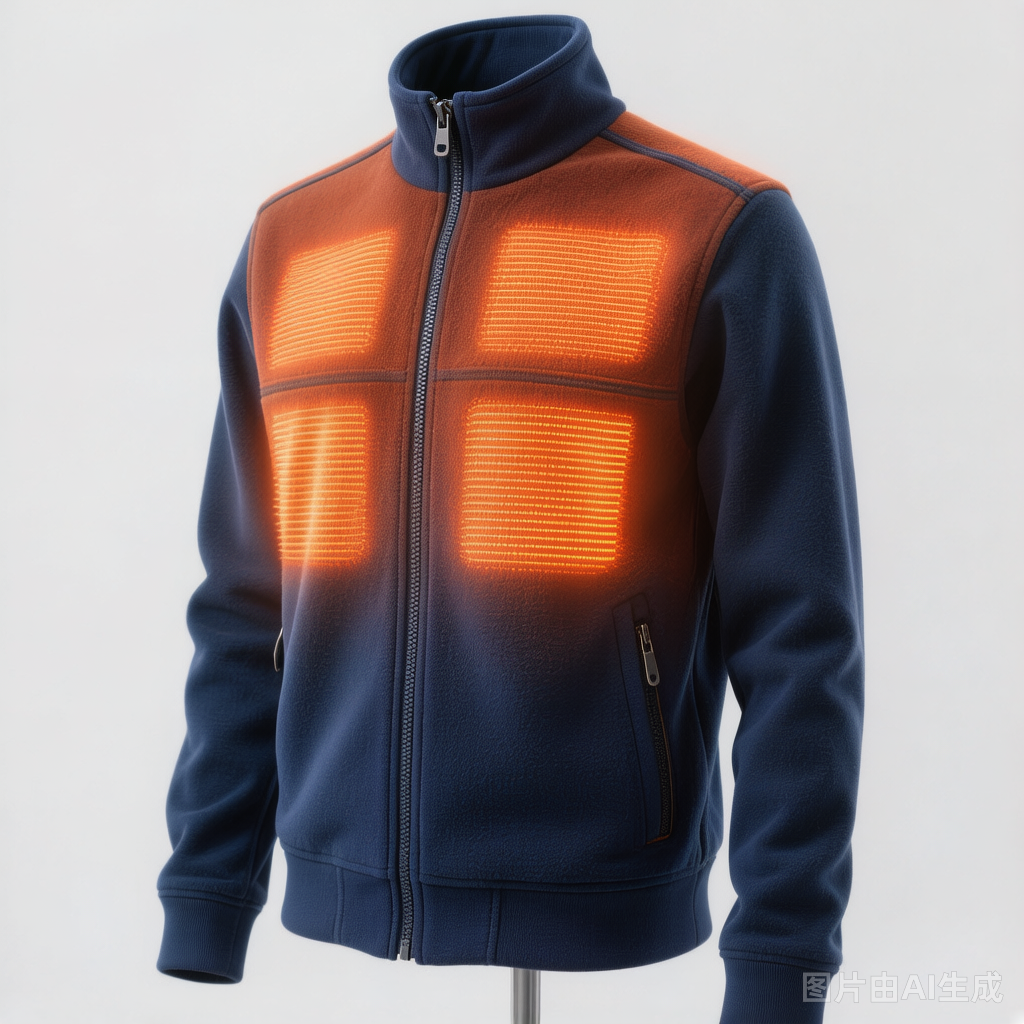
A quality custom heated jacket represents a meaningful investment—and like any investment, it rewards those who care for it properly. Unlike standard outerwear, heated jackets contain sensitive electronic components: heating elements, wiring harnesses, battery management systems, and temperature controllers. Treating these components with appropriate care dramatically extends the jacket’s functional lifespan while preserving heating performance, weather resistance, and appearance. This guide covers everything you need to know about maintaining and caring for your custom heated jacket.
Why Maintenance Matters for Custom Heated Jackets
Before exploring specific care practices, understanding why maintenance matters helps motivate consistent attention to jacket care.
The heating system in a custom heated jacket consists of multiple electronic components working together under demanding conditions. These components are exposed to sweat, body oils, environmental moisture, temperature extremes, and the physical stresses of daily wear. Without proper care, this cumulative exposure degrades battery capacity, compromises heating element efficiency, and eventually leads to component failures that proper maintenance could have prevented.
Businesses investing in custom heated jackets for teams or retail programs have additional incentives: well-maintained jackets reflect positively on brand quality perception, reduce replacement costs, and minimize warranty claims. NrHeat.com estimates that proper care can extend the effective service life of a custom heated jacket by two to three years compared to jackets that receive minimal maintenance.
Battery Care: The Most Critical Component
The rechargeable battery is the most vulnerable and expensive component in any custom heated jacket. Proper battery management is the single most impactful maintenance practice you can adopt.
Charging Best Practices
Follow these guidelines to maximize battery health and longevity:
Use the Correct Charger: Always use the charger provided or specifically recommended by your jacket’s manufacturer. Using incompatible chargers risks overcharging, undercharging, or introducing voltage irregularities that damage battery cells. NrHeat.com includes branded chargers with every custom heated jacket and offers replacements for businesses purchasing wholesale quantities.
Avoid Full Discharges: Unlike older nickel-cadmium batteries, lithium-ion cells do not benefit from full discharge cycles. In fact, deep discharging accelerates capacity loss. Recharge your custom heated jacket battery when it reaches approximately 20–30% remaining charge.
Do Not Overcharge: While modern Battery Management Systems (BMS) automatically stop charging when cells are full, leaving a battery connected to power for extended periods after reaching 100% can generate轻微 heat that accelerates chemical degradation. Unplug once charging completes.
Monitor Temperature During Charging: Charging generates heat. Ensure your jacket’s battery is charging in a cool, well-ventilated area. Avoid charging on beds, couches, or other surfaces that trap heat. If a battery becomes noticeably warm during charging, disconnect it immediately and allow it to cool before resuming.
Storage Guidelines
Proper storage practices are essential during off-seasons when your custom heated jacket may sit unused for months.
Partial Charge State: Store batteries at approximately 40–60% charge. This level minimizes chemical activity while avoiding the stress that fully discharged or fully charged states impose on lithium-ion cells. NrHeat.com recommends this charge level for all their custom heated jacket batteries during extended storage.
Temperature-Controlled Environment: Store batteries in a cool, dry location between 50°F and 77°F (10°C–25°C). Extreme heat accelerates degradation; freezing temperatures can cause permanent capacity loss. Avoid storage in vehicles, unheated garages, or outdoor sheds.
Monthly Maintenance Charges: Even during storage, batteries self-discharge slowly. Recharge to the optimal 40–60% level every four to six weeks to prevent the battery from dropping to critically low levels. This practice takes just a few minutes and significantly extends service life.
Recognizing Battery Wear
All rechargeable batteries eventually degrade. NrHeat.com provides replacement batteries for all their custom heated jacket models, and recognizing when replacement is needed helps you avoid being caught with a dead jacket during critical use.
Signs of battery degradation include:
- Noticeably shortened runtime compared to when the jacket was new
- Battery draining faster than normal even on low heat settings
- Difficulty holding charge for more than a few days without use
- Physical swelling or deformation of the battery pack
When you notice these symptoms, order a replacement battery promptly. Continuing to use a degraded battery can lead to complete failure or, in rare cases, safety issues.
Washing Your Custom Heated Jacket
One of the most common causes of custom heated jacket damage is improper washing. While these jackets are not as delicate as some electronics, they do require specific handling to survive laundering without damage.
Before Washing: Preparation Steps
- Remove the Battery: This is non-negotiable. Before any washing, always disconnect and remove the battery pack from its pocket. Even water-resistant jackets can allow moisture to reach electrical components if submerged or pressure-applied incorrectly.
- Close All Zippers and Fasteners: Secure all zippers, Velcro closures, and snap buttons. This prevents mechanical damage to both the jacket and your washing machine.
- Secure Loose Heating Panel Edges: Some custom heated jacket models have accessible heating panel edges. Ensure these are properly tucked into their fabric pockets before laundering.
- Pre-Treat Stains: If the jacket has visible stains, pre-treat them with a mild stain remover applied only to the stained area. Avoid getting stain remover near electrical components or seams.
Washing Methods
Machine Washing on Gentle Cycle: Most modern custom heated jackets from reputable manufacturers like NrHeat.com are machine washable when basic precautions are followed. Use a front-loading washing machine (top-loaders with agitators can damage jackets) on the gentle or delicate cycle with cold water and mild detergent.
Hand Washing: For maximum longevity, hand washing is preferable. Fill a basin with cold water and a small amount of gentle detergent. Gently agitate the jacket, focusing on heavily soiled areas. Rinse thoroughly with cold water until all detergent is removed.
What to Avoid:
- Never use bleach or fabric softeners, which can degrade water-resistant coatings and damage heating elements.
- Avoid high-temperature washes, which can damage electrical components and adhesive bonds.
- Do not wring or twist the jacket, as this stresses seams and wiring.
Drying Your Jacket
Improper drying causes more jacket damage than washing itself. Follow these guidelines:
Air Drying is Preferred: Hang your custom heated jacket on a sturdy hanger and allow it to air dry at room temperature. This method imposes no stress on heating elements or battery connections. Depending on ambient humidity, air drying typically takes 24–48 hours.
Tumble Dry on Low If Permitted: Some custom heated jacket models permit machine tumble drying on low heat. Check your jacket’s care label—if in doubt, air dry. If using a dryer, add several clean tennis balls to help fluff the insulation and ensure even drying.
Never Use High Heat: Excessive heat damages electronic components, melts adhesives, and can cause fabric shrinkage. If you must expedite drying, use a fan or dehumidifier in the same room rather than applying direct heat.
Ensure Complete Dryness: Before reconnecting the battery, confirm that the battery compartment, all zippers, and the jacket’s interior are completely dry. Residual moisture is the primary cause of short circuits and heating element damage.
Inspecting and Maintaining Heating Elements
The carbon fiber or graphene heating panels inside your custom heated jacket are engineered for durability, but periodic inspection helps identify potential issues before they become problems.
Visual Inspection
Periodically examine your jacket’s heating zones by carefully parting the fabric layers and looking for:
- Discoloration or scorching on heating panels, which may indicate overheating or electrical issues
- Frayed or exposed wiring at connection points, which could lead to heating inconsistencies or safety concerns
- Separation of heating panels from surrounding fabric, which reduces heating efficiency
- Physical damage such as holes, tears, or burns near heating zone areas
If you notice any of these issues, discontinue use and contact the manufacturer. NrHeat.com provides free inspection guidance for wholesale partners and warranty support for individual customers.
Heating Performance Testing
At least twice per season—or before extended trips—test your jacket’s heating performance across all zones. A properly functioning custom heated jacket should heat evenly and consistently, with no cold spots or intermittent failures. Inconsistent heating often indicates a loose connection or degraded heating element that requires professional repair.
Maintaining Weatherproofing and Exterior Quality
Over time, the weatherproofing treatments applied to your custom heated jacket exterior will wear down. Regular maintenance preserves water resistance and windproofing.
Reapplying DWR Treatments
Durable Water Repellent (DWR) coatings degrade with use and laundering. When you notice water no longer beading on the jacket’s surface—when it soaks in instead of rolling off—it is time to reapply DWR treatment.
NrHeat.com recommends using spray-on DWR treatments specifically formulated for technical outerwear, such as those from Nikwax or Granger’s. Avoid mass-market fabric waterproofing sprays, which can damage breathability and heating element accessibility.
To apply:
- Clean the jacket thoroughly and allow it to dry completely.
- Apply DWR spray in a well-ventilated area, holding the bottle 6–8 inches from the fabric.
- Focus on shoulders, hood, and high-wear areas where water penetration is most likely.
- Tumble dry on low heat to activate the treatment, or allow to air cure for 24 hours.
zipper and Hardware Maintenance
Zippers, snaps, and adjusters require occasional attention to remain functional.
Clean zipper teeth regularly with a soft brush to remove debris that can cause sticking or damage. For stubborn buildup, use a cotton swab dampened with mild soap solution.
Lubricate zippers periodically with zipper lubricant or a small amount of wax (a candle stub works in a pinch). Apply to the zipper teeth and work the zipper back and forth to distribute evenly.
Inspect drawcords and adjusters for fraying or damage. Replace compromised hardware promptly to maintain fit adjustability.
Professional Repairs and Servicing
Some maintenance tasks require professional attention. Knowing when to seek expert help prevents amateur repair attempts from voiding warranties or causing additional damage.
When to Contact the Manufacturer
NrHeat.com and other reputable custom heated jacket manufacturers offer repair services for common issues including:
- Battery replacement (most models allow field replacement; some require professional installation)
- Heating element repair for damaged or failed zones
- Control button or controller replacement
- Wiring harness repairs for damaged connections
- Waterproofing restoration beyond surface-level DWR reapplication
Attempting to repair heating elements or wiring without proper tools and training often causes more damage than it fixes. When in doubt, contact the manufacturer.
Warranty Considerations
Before attempting any repair or modification to your custom heated jacket, review the warranty terms. Unauthorized modifications may void coverage. NrHeat.com provides clear warranty documentation with every jacket, specifying what is covered, for how long, and what actions could void protection.
Seasonal Care Checklist
Use this checklist to maintain your custom heated jacket throughout the year:
Before Winter Season
- Inspect heating elements and test all zones
- Clean jacket and reapply DWR treatment if needed
- Verify battery health and replace if degraded
- Ensure battery is charged to 40–60% for storage readiness
- Check all zippers and hardware for functionality
During Winter Use
- Remove battery before washing
- Air dry completely after any moisture exposure
- Recharge battery when it reaches 20–30% charge
- Avoid overcharging; unplug once complete
- Store in cool, dry location between uses
End of Winter Season
- Clean jacket thoroughly before storage
- Ensure complete dryness throughout
- Charge battery to 40–60% for storage
- Store in temperature-controlled environment
- Schedule monthly battery maintenance charges
Common Mistakes to Avoid
Even well-intentioned custom heated jacket owners occasionally make mistakes that shorten garment life or cause failures.
Mistake 1: Submerging the jacket with battery installed. Water and electricity do not mix. Always remove the battery before any wet cleaning.
Mistake 2: Using a damaged charger. Frayed cords, exposed wires, or incompatible chargers pose safety risks and can damage batteries.
Mistake 3: Ignoring warning signs. If your jacket produces unusual odors, the battery swells, or heating becomes erratic, stop using it immediately and investigate.
Mistake 4: Storing a fully discharged battery. Batteries left completely dead for extended periods may become permanently unusable.
Mistake 5: Skipping firmware updates. For smart custom heated jackets with app connectivity, firmware updates often include safety improvements and performance optimizations.
Conclusion
A custom heated jacket is a sophisticated marriage of textile engineering and electronic technology—requiring somewhat more attention than traditional outerwear, but delivering unparalleled cold-weather comfort in return. By following the battery care practices, washing guidelines, inspection routines, and storage protocols outlined in this guide, you can dramatically extend your jacket’s service life and maintain its heating performance season after season.
NrHeat.com stands behind the durability of their custom heated jackets and offers comprehensive care resources, warranty support, and replacement parts to ensure every customer gets maximum value from their purchase. Proper maintenance is not just about protecting an investment—it is about ensuring your custom heated jacket is ready to perform whenever you need it most.
For additional care guidance, product support, or replacement parts for your custom heated jacket, visit NrHeat.com and explore their care resources and customer service options.


