Choosing the right custom heated jacket for your brand, organization, or team is not a decision to take lightly. With dozens of manufacturers, varying price points, and a wide array of features, the selection process can feel overwhelming. However, when approached systematically, finding a custom heated jacket that aligns with your brand identity, functional needs, and budget becomes straightforward. This guide walks you through the essential considerations to ensure your investment delivers both warmth and brand impact.
Define Your Purpose and Audience
Before diving into product specifications, clarify why you need custom heated jackets and who will wear them. The intended use dramatically influences which features and styles matter most.
Corporate Gifting and Client Appreciation
If your goal is to impress clients or reward employees, aesthetics and perceived value take priority. A sleek, well-branded personalized heated jacket with subtle logo embroidery sends a message of quality and thoughtfulness. In this scenario, premium materials, refined designs, and elegant packaging can justify a higher per-unit cost.
Worksite and Industrial Use
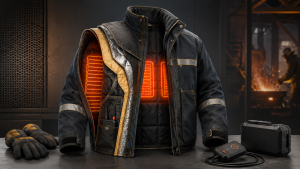
For construction crews, warehouse staff, or field technicians, durability and functionality trump aesthetics. Look for workwear-grade custom heated jackets with reinforced panels, high-visibility accents, and multiple utility pockets. Safety certifications and long battery life are non-negotiable in these environments.
Team Sports and Outdoor Events
Sports teams, outdoor guides, and event staff need heated jackets that balance mobility with warmth. Lightweight softshell designs with breathable fabrics allow for dynamic movement while maintaining core temperature. Consider jackets with team color customization and prominent logo placements.
Evaluate Customization Capabilities
Not all suppliers offer the same level of customization. Understanding the options available helps you visualize the final product and negotiate effectively.
Logo Application Methods
The most common ways to brand a custom heated jacket include:
- Embroidery: Durable and professional, ideal for chest or sleeve logos. Works well on most fabrics but may be limited in color complexity.
- Screen Printing: Cost-effective for large, bold designs. Best suited for flat surfaces and simpler artwork.
- Heat Transfer / DTG: Excellent for detailed, multi-color logos. Provides a smooth finish but may be less durable than embroidery over time.
- Woven or Rubber Patches: Adds a premium, textured look. Popular for outdoor and lifestyle brands.
Color and Style Selection
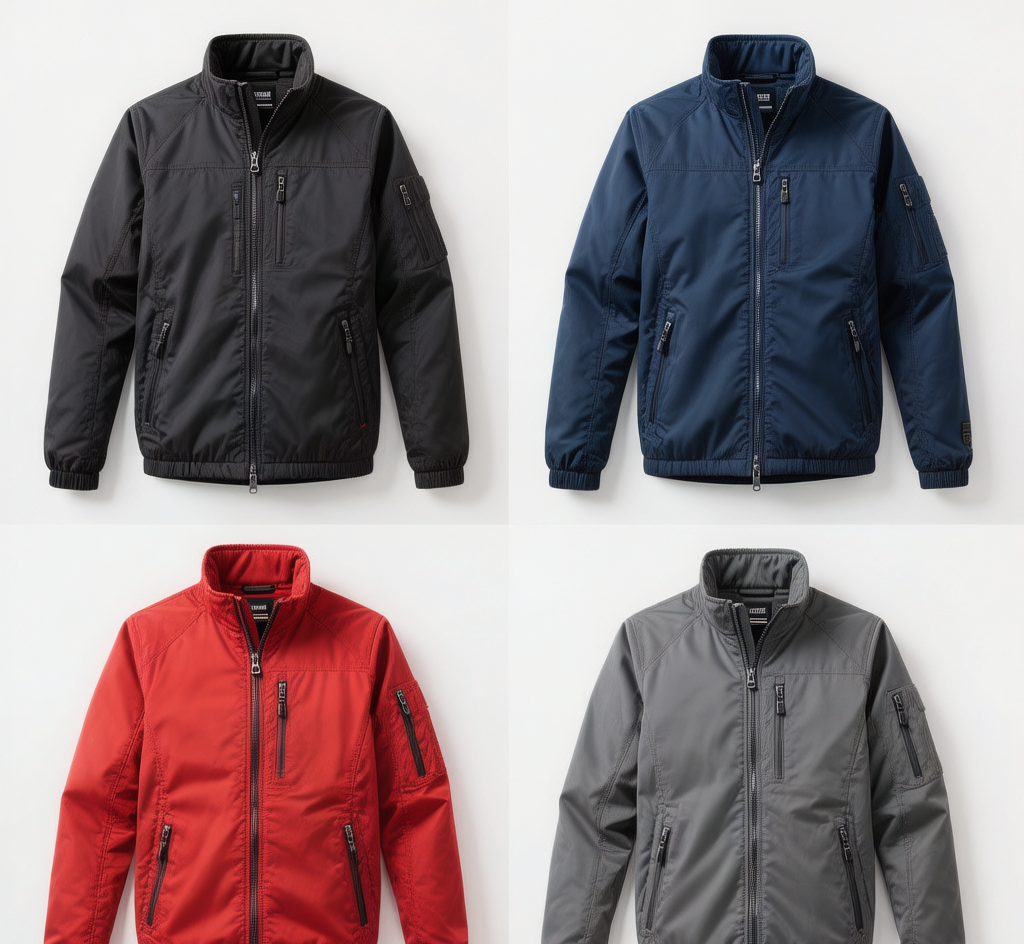
Some manufacturers offer a wide palette of base colors, while others restrict choices to black, navy, and gray. If brand colors are central to your identity, confirm color availability early. Additionally, check whether you can customize zipper colors, lining fabrics, or reflective trim.
Sizing and Fit Customization
Standard sizing (S through 3XL) is typical, but some suppliers accommodate custom size runs or tailored fits. For international teams, verify whether sizing follows US, EU, or Asian standards to avoid fit issues.
Understand Heating Technology and Performance
A custom heated jacket is only as good as its heating system. Do not let branding distract from the core functionality.
Heating Zone Configuration
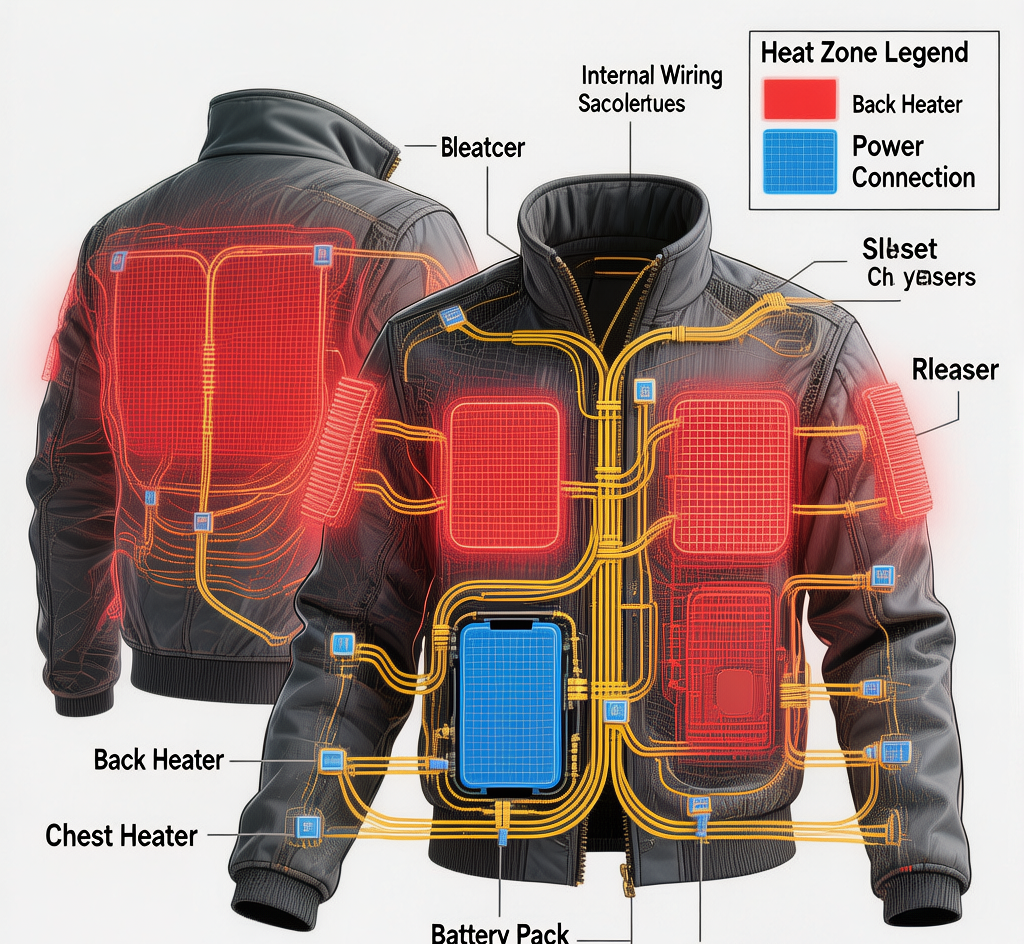
Evaluate how many heating zones the jacket offers and where they are positioned. For corporate users who move between indoor and outdoor environments, chest and back heating may suffice. For outdoor workers exposed to wind and snow, look for additional zones in the collar and pockets.
Battery Specifications
Battery performance varies significantly across brands. Key metrics to compare include:
- Voltage: 7.4V systems are standard; 12V systems deliver more heat but may be heavier.
- Capacity: Measured in milliampere-hours (mAh). Higher capacity means longer runtime.
- Charge Time: Faster charging reduces downtime, especially for teams sharing charging stations.
- USB Output: Some batteries double as power banks for phones and other devices—a useful perk for field teams.
Temperature Range and Controls
Confirm the maximum temperature output and the number of adjustable settings. A good custom heated jacket should offer at least three levels of heat, with the highest setting reaching approximately 130°F (55°C). Touch-button controls are standard, but Bluetooth app connectivity is an emerging feature that allows precise adjustments.
Assess Build Quality and Materials
Durability ensures your branded jackets remain in circulation—and promoting your brand—for years.
Outer Shell Materials
Polyester and nylon blends dominate the heated jacket market due to their strength, water resistance, and light weight. Look for ripstop weaves that prevent tears from spreading. DWR (durable water repellent) coatings are essential for wet or snowy climates.
Insulation Types
Synthetic insulation such as PrimaLoft or polyester fill retains heat even when damp and dries quickly. Down insulation offers superior warmth-to-weight ratios but loses effectiveness if wet. For heated jackets, synthetic fills are often preferred because the electric heating compensates for any marginal warmth difference.
Zippers, Seams, and Hardware
YKK zippers are the industry gold standard for reliability. Inspect whether the jacket features storm flaps, chin guards, and sealed seams. These details matter when the jacket is worn daily in demanding conditions.
Compare Pricing and Minimum Order Quantities
Budget is always a factor, especially for bulk orders. Understanding pricing structures helps you negotiate and plan.
Price Tiers
- Entry-Level (80–80–120): Basic heating, limited customization, standard materials. Suitable for large giveaways or temporary use.
- Mid-Range (120–120–200): Better battery life, more heating zones, solid customization options. Ideal for most corporate and team applications.
- Premium ($200+): Advanced features, premium materials, extensive customization, superior warranties. Best for executive gifts or elite team branding.
Minimum Order Quantities (MOQ)
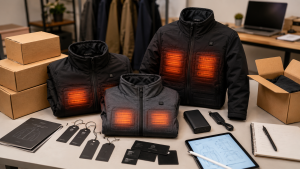
Some suppliers require orders of 50, 100, or more units for custom branding. Others offer low-MOQ or even single-unit customization through digital printing. Match your order size to a supplier whose MOQ aligns with your needs to avoid overcommitting or paying inflated per-unit prices.
Shipping and Lead Times
Custom orders take time. Embroidery, printing, and quality checks can add 2–6 weeks to delivery. If you need jackets for a specific event or season, plan accordingly and confirm lead times in writing.
Vet the Supplier’s Reputation
A custom heated jacket represents your brand. A faulty product reflects poorly on you, regardless of who manufactured it.
Check Reviews and Testimonials
Look for reviews specifically mentioning customization quality, battery longevity, and customer service. Be wary of suppliers with consistently reported issues like uneven heating, peeling logos, or unresponsive support teams.
Request Samples
Before committing to a large order, request a sample jacket with your branding. This allows you to evaluate fit, finish, and heating performance firsthand. Many reputable suppliers will credit the sample cost against your final order.
Verify Certifications
Ensure the supplier meets relevant safety standards, such as CE marking, UL certification for batteries, and compliance with textile regulations. This is especially important for corporate buyers who must adhere to procurement policies.
Plan for After-Sale Support
Even the best custom heated jackets may eventually need maintenance or replacement parts.
Warranty Coverage
A one-year warranty on the jacket and heating elements is the industry minimum. Premium suppliers may offer two or three years. Clarify whether the warranty covers the battery, as this component is often subject to separate terms.
Availability of Replacement Parts
Batteries degrade over time. Confirm whether you can purchase replacement batteries, controllers, and charging cables directly from the supplier. This extends the usable life of your jackets and protects your investment.
Return and Exchange Policies
Mistakes happen—wrong sizes, color mismatches, or defective units. Understand the supplier’s return policy before placing your order, especially for customized items which may not be eligible for standard returns.
Sustainability Considerations
Increasingly, brands are judged by their environmental impact. If sustainability aligns with your company values, explore eco-friendly custom heated jacket options.
Recycled Materials
Some manufacturers now offer shells and insulation made from recycled plastics. These jackets perform equally well while reducing environmental footprint.
Ethical Manufacturing
Ask suppliers about their factory conditions and labor practices. Certifications like Fair Trade or SA8000 indicate adherence to ethical standards.
Battery Recycling Programs
Lithium-ion batteries require proper disposal. Suppliers who offer battery recycling or trade-in programs demonstrate environmental responsibility.
Final Checklist Before Ordering
Use this checklist to finalize your decision:
- Confirmed heating zone count and battery life meet your needs
- Selected appropriate customization method and verified artwork requirements
- Checked sizing charts and planned size distribution
- Compared total cost including setup fees, shipping, and taxes
- Verified supplier reputation, certifications, and warranty terms
- Requested and approved a sample before bulk production
- Planned realistic lead time for event or season delivery
Conclusion
Selecting the best custom heated jacket for your brand requires balancing functionality, aesthetics, budget, and supplier reliability. By clearly defining your goals, scrutinizing technical specifications, and partnering with a reputable manufacturer, you can outfit your team or impress your clients with heated apparel that performs as well as it looks. The right custom heated jacket is more than a piece of clothing—it is a mobile billboard for your brand and a daily reminder to your team that their comfort matters.