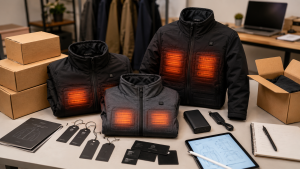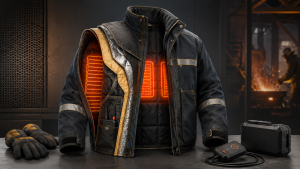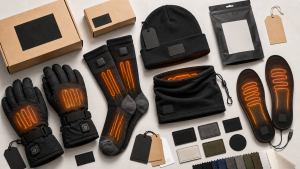
When winter temperatures plummet and standard outerwear fails to keep the chill at bay, a custom heated jacket becomes more than a luxury—it becomes a necessity. Whether you are an outdoor worker braving freezing construction sites, a winter sports enthusiast hitting the slopes, or a business owner looking to outfit your team with branded heated apparel, understanding the ins and outs of custom heated jackets is essential. This comprehensive guide covers everything from technology and customization options to buying tips and maintenance, ensuring you make an informed decision.
What Is a Custom Heated Jacket?
A custom heated jacket is a technologically advanced piece of outerwear equipped with integrated heating elements powered by rechargeable batteries. Unlike standard jackets that rely solely on insulation and fabric thickness to trap body heat, heated jackets actively generate warmth through strategically placed carbon fiber or alloy heating panels. The “custom” aspect refers to the ability to personalize these jackets—whether through branding, color selection, sizing adjustments, or feature modifications—to meet specific individual or organizational needs.
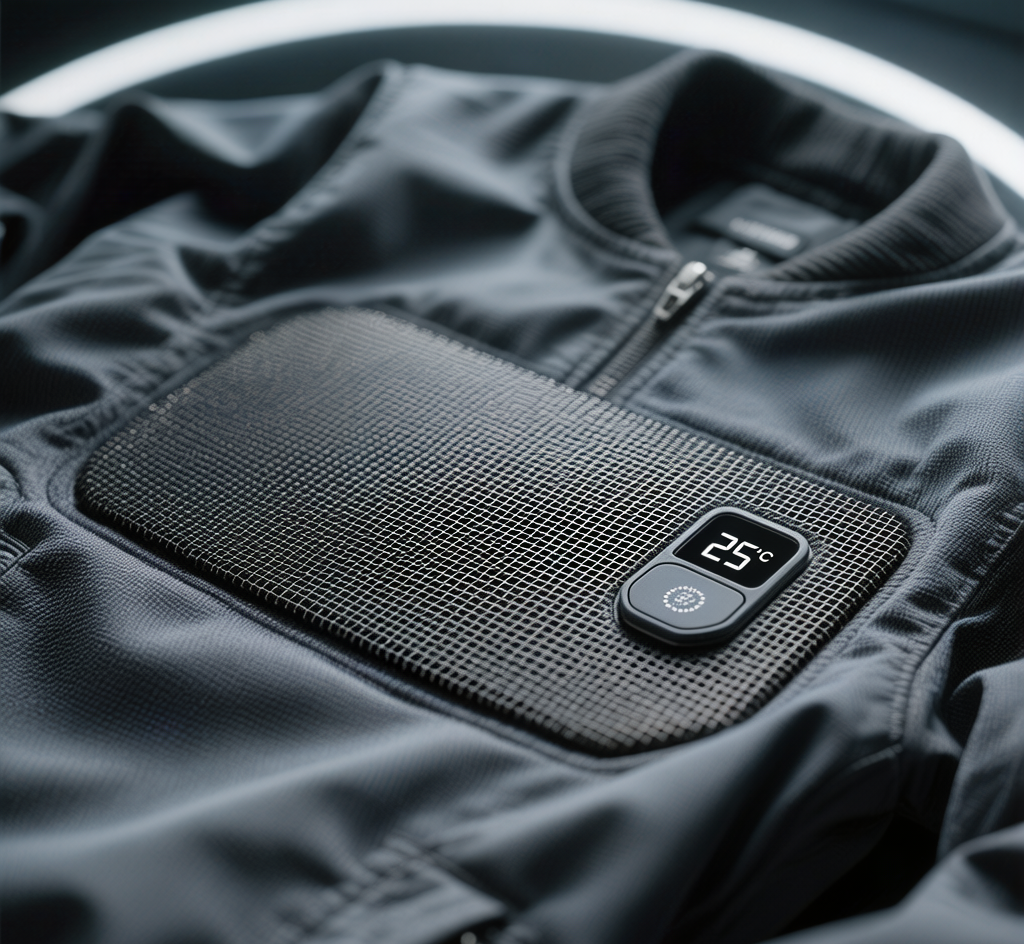
Modern custom heated jackets typically feature heating zones in critical areas such as the chest, back, and sometimes pockets or collars. These zones connect to a lightweight lithium-ion battery pack, often tucked discreetly in an interior pocket. With the press of a button, wearers can adjust heat settings from low to high, delivering instant relief in frigid conditions.
How Do Custom Heated Jackets Work?
Understanding the technology behind a custom heated jacket helps buyers appreciate their value and make smarter purchasing decisions. The core components include:
Heating Elements
The heating elements in a custom heated jacket are thin, flexible panels made from carbon fiber or conductive alloys. These materials are chosen for their excellent heat conductivity, durability, and lightweight properties. When electric current passes through these elements, they generate radiant heat that warms the wearer efficiently without adding bulk.
Battery Systems
Most heated jackets rely on rechargeable 7.4V or 12V lithium-ion batteries. These battery packs are designed to be compact and lightweight, ensuring they do not weigh down the wearer. Depending on the heat setting, a fully charged battery can provide anywhere from 3 to 12 hours of continuous warmth. Many manufacturers now offer USB-compatible batteries, allowing users to charge smartphones and other devices on the go—a practical bonus for outdoor professionals.
Temperature Controls
A quality custom heated jacket includes an intuitive control system, usually a small button or Bluetooth-connected app, that allows users to toggle between heat settings. Common configurations include low (around 100°F), medium (around 113°F), and high (around 131°F). Some premium models even offer zone-specific controls, letting you warm your back while keeping your chest at a lower temperature.
Benefits of Investing in a Custom Heated Jacket
The advantages of owning a custom heated jacket extend far beyond simple warmth. Here is why more consumers and businesses are making the switch:
Unmatched Comfort in Extreme Cold
Traditional winter jackets can only retain existing body heat. A battery heated jacket actively creates warmth, making it ideal for regions with sub-zero temperatures or individuals who naturally run cold. Whether you are ice fishing in Minnesota or working a night shift in Chicago, the difference is transformative.
Customization for Branding and Identity
For businesses, a custom heated jacket offers a unique branding opportunity. Imagine your company logo embroidered on premium heated outerwear given to employees or clients. Not only does this build team morale, but it also ensures your brand is visible during outdoor events, trade shows, and daily commutes. Customization options often include logo placement, color schemes, reflective strips, and even personalized name tags.
Enhanced Safety for Outdoor Workers
Cold stress is a real occupational hazard. Workers in construction, logistics, agriculture, and emergency services face risks like hypothermia and frostbite during winter months. Providing teams with custom heated apparel is a proactive safety measure that reduces cold-related incidents and improves productivity.
Versatility Across Activities
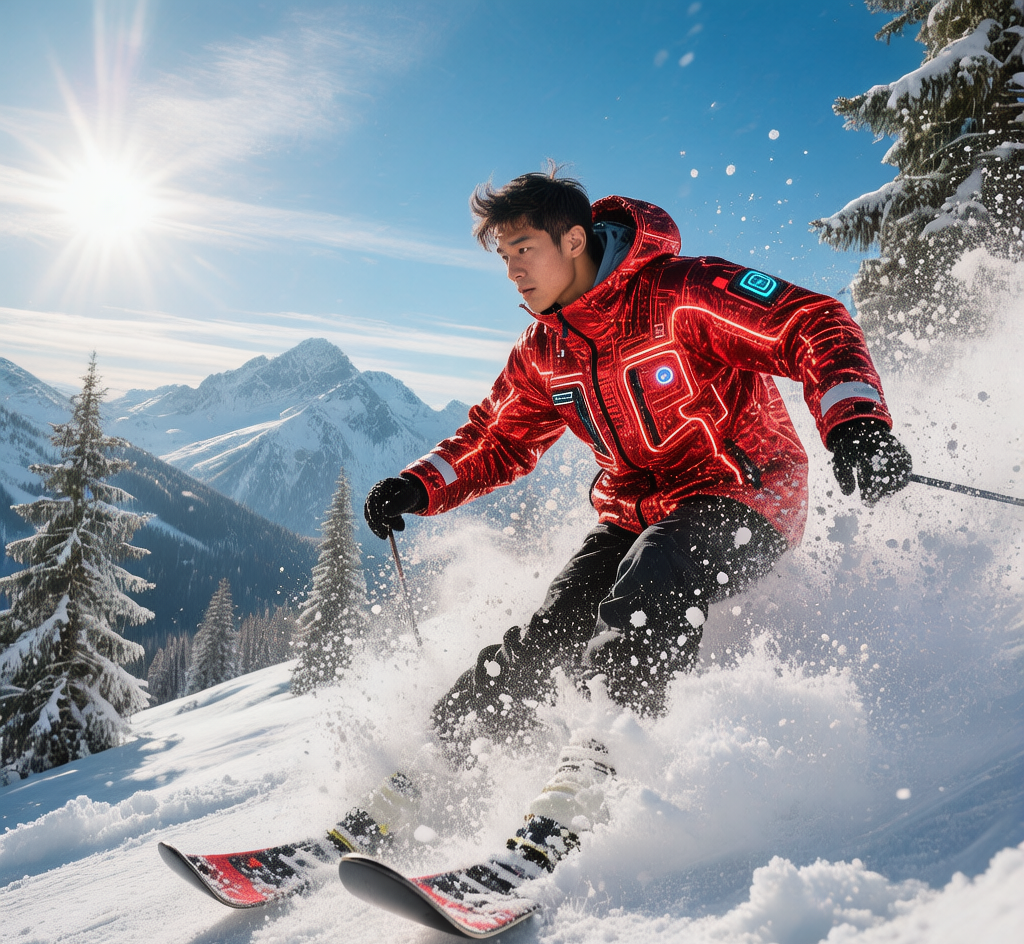
From skiing and snowmobiling to hiking and camping, a personalized heated jacket adapts to virtually any cold-weather activity. Many models are designed with water-resistant or waterproof shells, making them suitable for snow and light rain. The ability to dial heat up or down also means you stay comfortable during varying activity levels.
Types of Custom Heated Jackets
Not all custom heated jackets are created equal. Depending on your needs, you may prefer one style over another:
Softshell Heated Jackets
Softshell models prioritize flexibility and breathability. They are ideal for active users who need freedom of movement, such as cyclists or climbers. These jackets typically feature a water-resistant outer layer and a fleece-lined interior.
Insulated Puffer Heated Jackets
For maximum warmth, insulated puffer heated jackets combine down or synthetic fill with integrated heating panels. These are perfect for stationary activities in extremely cold environments, such as watching outdoor sports or working in refrigerated warehouses.
Workwear Heated Jackets
Designed for durability, workwear-style custom heated jackets feature reinforced stitching, heavy-duty zippers, and multiple tool pockets. They are built to withstand the demands of construction sites, mechanic shops, and industrial settings.
Lightweight Heated Vests and Liners
For those who prefer layering, heated vests and liners offer core warmth without the bulk of a full jacket. These can be worn under existing outerwear and are popular among golfers, hunters, and commuters.
Key Features to Look For
When shopping for a custom heated jacket, pay attention to these critical features:
Number and Placement of Heating Zones
More heating zones generally mean better heat distribution. Look for jackets with at least three zones: left chest, right chest, and mid-back. Premium models may include additional zones in the collar, pockets, or sleeves.
Battery Life and Charging Time
Consider how long you will need the jacket to perform on a single charge. If you plan to wear it for full workdays, prioritize models with 8+ hour battery life or invest in spare battery packs. Also, check charging time—most batteries require 3 to 5 hours for a full charge.
Material Quality and Weather Resistance
The outer shell should be windproof and at least water-resistant. Look for materials like polyester blends with DWR (durable water repellent) coatings. Taped seams and storm flaps over zippers add extra protection.
Customization Options
If branding is important, confirm what customization services the manufacturer offers. Some suppliers provide embroidery, screen printing, heat transfer logos, and custom colorways. Minimum order quantities (MOQs) may apply for heavily customized orders.
Warranty and Customer Support
A reliable warranty signals manufacturer confidence. Look for at least a one-year warranty on the jacket and heating elements, with responsive customer support for troubleshooting and replacement parts.
How to Choose the Right Custom Heated Jacket
Selecting the perfect custom heated jacket depends on your specific use case. Ask yourself the following questions:
- What is my primary activity? Active sports demand breathability; stationary work demands maximum insulation.
- What is my budget? Entry-level heated jackets start around 100,whilepremiumcustommodelscanexceed100,whilepremiumcustommodelscanexceed300.
- Do I need customization? If branding is essential, work with suppliers who specialize in corporate or team orders.
- What climate will I face? Extreme cold demands higher heat output and better insulation.
Care and Maintenance Tips
To extend the lifespan of your custom heated jacket, follow these maintenance best practices:
Washing Instructions
Most heated jackets are machine washable once the battery is removed. Use gentle cycles with cold water and mild detergent. Avoid bleach and fabric softeners, which can damage heating elements and water-resistant coatings. Always air dry or tumble dry on low if the manufacturer permits.
Battery Care
Store batteries in a cool, dry place and avoid exposing them to extreme temperatures. Recharge batteries every few months during off-seasons to maintain their health. Never puncture or disassemble battery packs.
Storage
Hang your jacket in a dry closet rather than compressing it in a tight space. This preserves both the insulation and the integrity of the heating panels.
Common Myths About Heated Jackets
Despite their growing popularity, some misconceptions persist:
Myth 1: Heated jackets are unsafe. Fact: Reputable brands use low-voltage systems and multiple safety mechanisms, including automatic shutoffs and overheat protection.
Myth 2: They are too heavy and bulky. Fact: Modern custom heated jackets are designed to be as lightweight as traditional winter coats. The battery and heating elements add minimal weight.
Myth 3: Customization compromises quality. Fact: Professional customization services maintain the jacket’s structural integrity and functionality.
Conclusion
A custom heated jacket represents a smart investment for anyone facing cold weather regularly. With active heating technology, customizable branding options, and designs suited for both work and recreation, these jackets offer unparalleled warmth and utility. By understanding how they work, what features matter, and how to care for them, you can select the ideal jacket that keeps you comfortable and represents your brand with pride. Whether you are buying one for yourself or outfitting an entire team, the right custom heated jacket turns winter from a season to endure into a season to enjoy.