
When the temperature drops, the choice between a custom heated jacket and a traditional regular jacket becomes a pressing question. With heated outerwear prices often double or triple those of standard winter coats, many buyers wonder: is the investment justified? This detailed comparison examines performance, cost, durability, and real-world use cases to help you decide whether a custom heated jacket deserves a place in your wardrobe—or your team’s uniform closet.
Understanding the Fundamental Difference
At first glance, a custom heated jacket and a regular winter jacket may look similar. Both feature outer shells, insulation, zippers, and pockets. The critical difference lies in how they generate warmth.
A regular jacket relies entirely on passive insulation. Whether filled with down, synthetic fibers, or fleece, its sole job is to trap the heat your body naturally produces. If you are sedentary, cold, or exposed to wind and moisture, a regular jacket’s effectiveness diminishes rapidly.
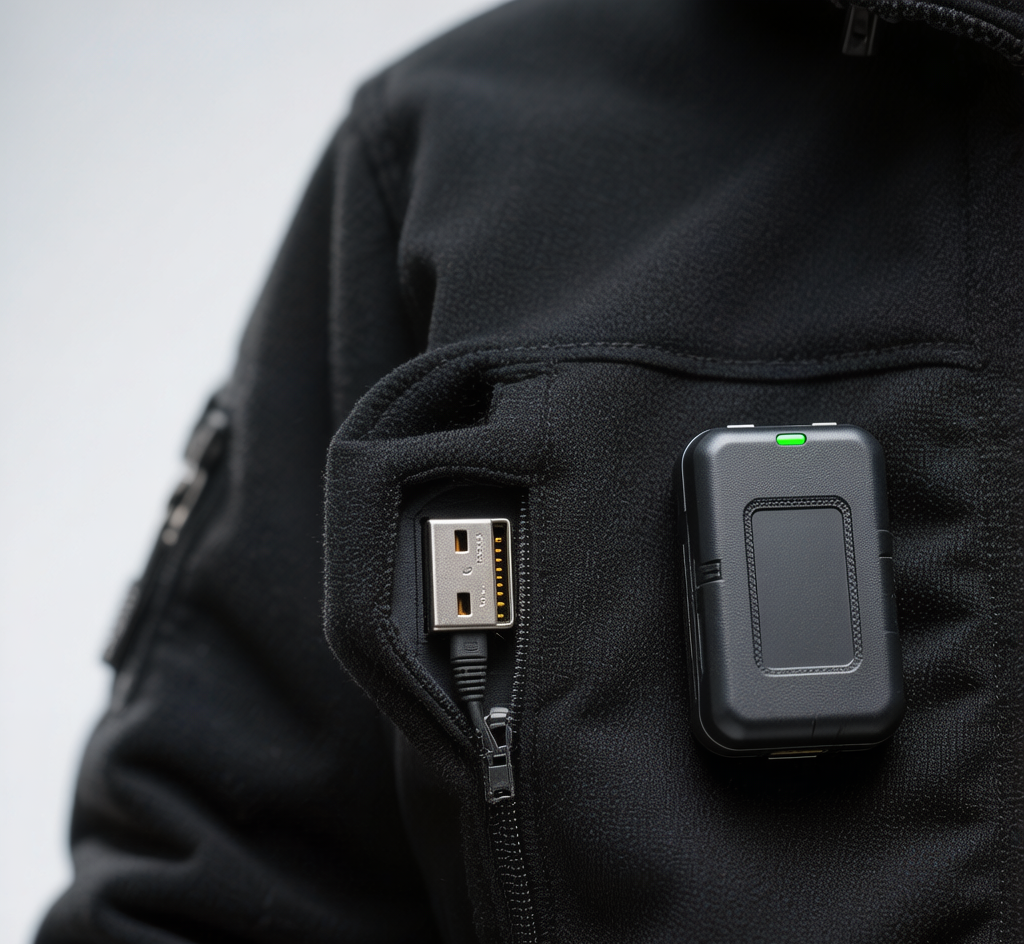
A custom heated jacket, by contrast, uses active heating technology. Integrated carbon fiber or alloy heating panels distribute warmth across key body zones, powered by a rechargeable battery. This means the jacket generates heat independently of your activity level, providing consistent comfort even in extreme conditions.
Warmth and Performance Comparison
Heat Output and Distribution
Regular jackets vary widely in warmth based on insulation weight (measured in grams per square meter) and fill power (for down). However, no amount of insulation can create heat—only retain it. In sub-zero temperatures or during low-activity periods, even the most expensive parka may leave you shivering.
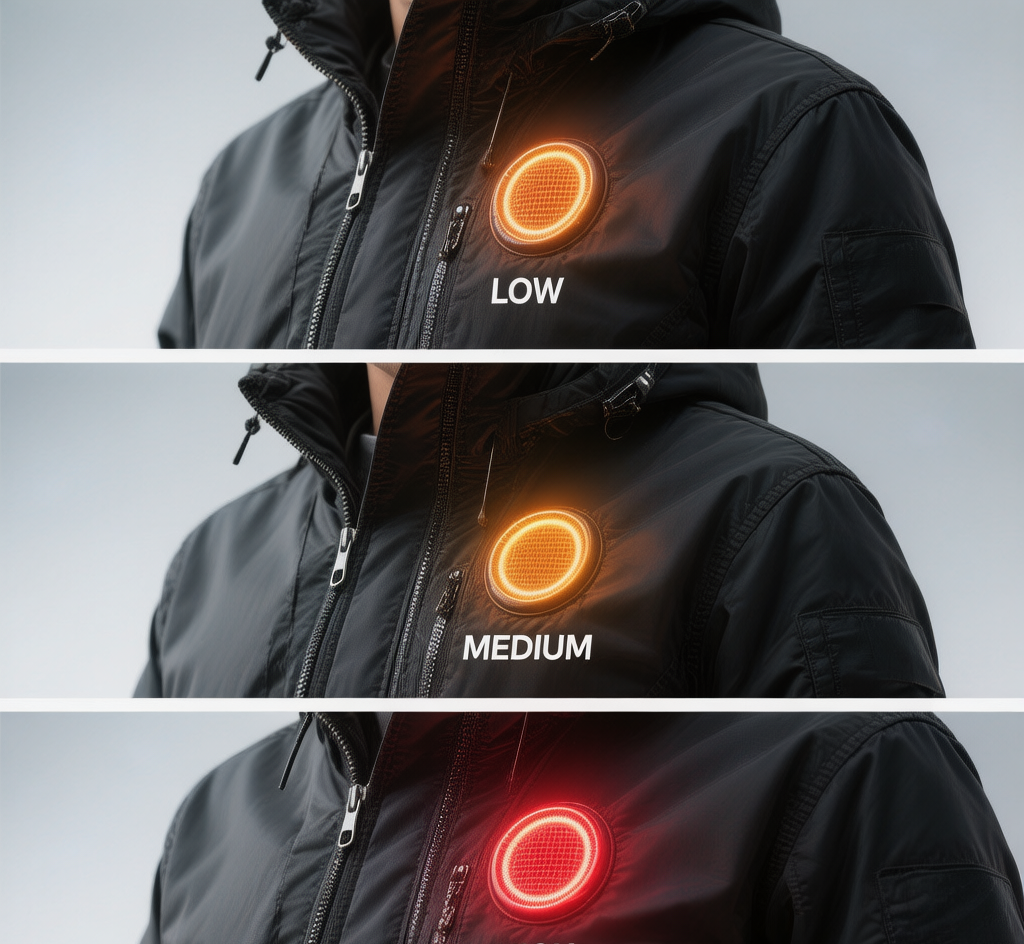
A battery heated jacket delivers active warmth to targeted zones, typically the chest, back, and sometimes collar or pockets. With heat settings ranging from 100°F to over 130°F, wearers can adjust comfort levels on demand. This active heating compensates for periods of inactivity and provides an immediate boost when moving from warm interiors to freezing exteriors.
Performance in Wet Conditions
Wet insulation is the Achilles’ heel of regular jackets. Down loses nearly all insulating properties when soaked, and even synthetic fills perform poorly when saturated. While water-resistant shells help, prolonged exposure to rain or snow eventually compromises warmth.
Most custom heated jackets feature water-resistant or waterproof shells, and because their warmth comes from electric elements rather than trapped air, they maintain performance in damp conditions. However, it is crucial to note that heating elements and batteries must never be submerged. Light rain and snow are fine; heavy downpours require caution.
Wind Resistance
Both jacket types can be windproof if constructed with appropriate materials. However, the active heating in a custom heated jacket provides an additional layer of defense against wind chill. When gusts strip away body heat, the electric panels continue radiating warmth, making heated jackets superior for exposed environments.
Cost Analysis: Initial Investment vs. Long-Term Value
Upfront Price Comparison
Regular winter jackets range from 50forbudgetoptionsto50forbudgetoptionsto500+ for premium technical parkas. The average consumer spends between 100and100and250 for a decent coat.
Custom heated jackets typically start around 100forbasicmodelsandclimbto100forbasicmodelsandclimbto300 or more for premium versions with advanced features, extended battery life, and extensive customization. Bulk corporate orders may reduce per-unit costs, but heated jackets remain more expensive upfront.
Operating Costs
Regular jackets have no operating costs. Once purchased, they require no power source, charging, or battery replacements.
Heated jackets require electricity to charge batteries. While the cost per charge is negligible (pennies per cycle), batteries degrade over time. Most lithium-ion batteries last 300–500 charge cycles before capacity diminishes significantly. Replacement batteries cost between 30and30and80, adding to the lifetime cost of ownership.
Lifespan and Durability
A well-made regular jacket can last 5–10 years with proper care. Premium brands like The North Face, Patagonia, and Canada Goose are renowned for longevity.
Custom heated jackets have more components that can fail—heating elements, wiring, controllers, and batteries. However, reputable brands design these components to endure daily wear, and many offer 1–3 year warranties. With proper care, a quality heated jacket can match the lifespan of a regular jacket.
Cost Per Use
If you only face extreme cold occasionally, a regular jacket may offer better cost per use. However, if you work outdoors daily, participate in winter sports regularly, or manage a team in cold climates, the enhanced comfort and safety of a custom heated jacket justify the higher initial investment.
Comfort and Convenience
Weight and Bulk
One common misconception is that heated jackets are heavy and bulky due to batteries and wiring. In reality, modern custom heated jackets are engineered to be as lightweight as traditional coats. Battery packs typically weigh 8–12 ounces—comparable to a smartphone—and slim heating panels add negligible bulk.
High-end regular jackets, especially those with heavy down fills or thick synthetic insulation, can actually be bulkier and more restrictive than their heated counterparts.
Mobility and Fit
Both jacket types offer varying fits from slim to relaxed. However, because heated jackets can achieve equivalent warmth with less insulation, they often provide better mobility. This is a significant advantage for active users who ski, climb, or perform physical labor.
Maintenance
Regular jackets generally win on simplicity. Most are machine washable with minimal fuss.
Custom heated jackets require battery removal before washing and may have specific care instructions to protect heating elements. While not overly complicated, this extra step demands attention. Failure to follow care guidelines can void warranties or damage the jacket.
Use Case Scenarios: When Each Jacket Type Excels
Choose a Regular Jacket If:
- You live in a mild climate where temperatures rarely drop below freezing.
- You engage in high-intensity activities that generate substantial body heat.
- You prefer zero-maintenance outerwear with no charging requirements.
- Your budget is strictly limited.
Choose a Custom Heated Jacket If:
- You work outdoors in freezing temperatures for extended periods.
- You experience cold intolerance due to age, circulation issues, or medical conditions.
- You need branded outerwear for a team that operates in winter environments.
- You want precise control over your comfort level in variable conditions.
- You frequently transition between heated indoor spaces and cold outdoors.
Safety Considerations
Fire and Electrical Risks
Modern custom heated jackets use low-voltage systems (typically 7.4V or 12V) that pose minimal electrical hazard. Reputable manufacturers incorporate safety features like automatic shutoffs, overheat protection, and short-circuit prevention. The risk of fire or electric shock is extremely low when used as directed.
Regular jackets, of course, carry no electrical risks.
Cold-Related Health Risks
For outdoor workers and vulnerable populations, the health risks of cold exposure far outweigh any minimal risks associated with heated apparel. Hypothermia and frostbite are serious, potentially life-threatening conditions. A custom heated jacket is a proactive safety tool that reduces these risks significantly.
Environmental Impact
Material Sourcing
Both jacket types rely on synthetic materials, though sustainable options exist for each. Regular jackets may use recycled insulation or organic cotton shells. Some heated jackets now incorporate recycled fabrics and eco-friendly DWR treatments.
Energy Consumption
Regular jackets consume no energy during use. Heated jackets require charging, but the electricity demand is minimal—roughly equivalent to charging a laptop. Over a season, the environmental impact is negligible for individual users, though large organizations should consider collective energy use.
End-of-Life Disposal
Batteries in heated jackets require proper recycling. Many suppliers now offer battery take-back programs. Heating elements and wiring complicate textile recycling, but responsible manufacturers are developing disassembly processes to address this.
The Verdict: Is a Custom Heated Jacket Worth It?
The answer depends on your specific needs, lifestyle, and budget. For casual users in moderate climates, a high-quality regular jacket remains a practical, cost-effective choice. However, for outdoor professionals, winter sports enthusiasts, cold-sensitive individuals, and organizations seeking branded team apparel, the benefits of a custom heated jacket are undeniable.
The active heating technology transforms how you experience cold weather. Instead of layering excessively and still feeling chilled, you enjoy on-demand warmth precisely where you need it. For businesses, the branding opportunities combined with improved employee comfort and safety make heated jackets a strategic investment rather than a simple clothing purchase.
When you factor in reduced sick days, higher productivity, and the marketing value of branded outerwear, the return on investment for custom heated jackets becomes compelling. The initial price premium is offset by superior performance, versatility, and the intangible benefit of simply being comfortable when it matters most.
Conclusion
Both regular jackets and custom heated jackets have their place in the outerwear ecosystem. Rather than viewing the choice as either-or, consider your primary use cases and priorities. If you demand maximum warmth, customizable branding, and modern convenience, the custom heated jacket is worth every penny. If simplicity and lowest upfront cost drive your decision, a traditional jacket still serves its purpose. For many, the ideal wardrobe includes both—relying on heated technology when conditions demand it and standard outerwear for milder days.


