
As heated apparel transitions from novelty to necessity, businesses across industries are discovering the strategic value of custom heated jacket programs. From construction firms outfitting winter crews to retailers expanding into functional outerwear, the demand for branded heated garments has surged dramatically. But navigating the wholesale heated apparel market presents unique challenges that differ substantially from standard garment sourcing. This comprehensive guide walks you through everything you need to know about custom heated jacket wholesale in 2026—from finding reliable suppliers to negotiating volume pricing and managing logistics.
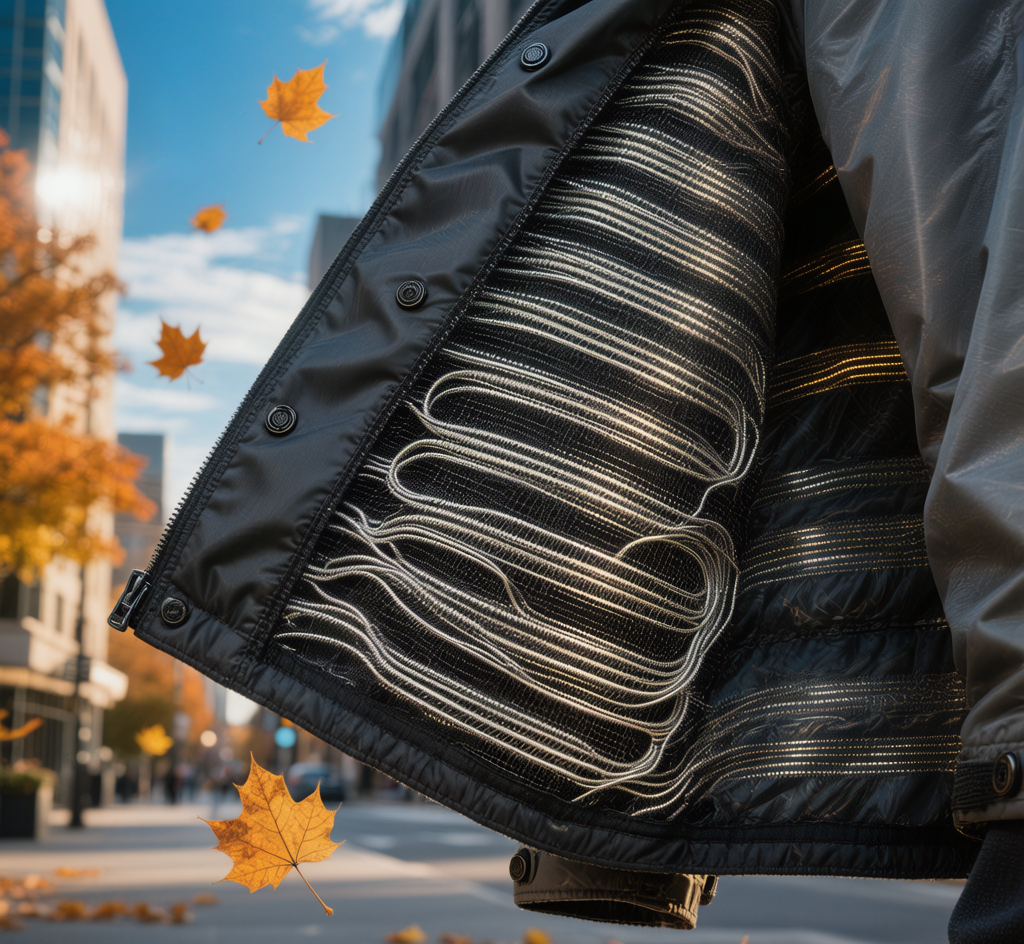
Why Heated Apparel Is a Strategic Business Investment
Before diving into the mechanics of wholesale sourcing, it is worth understanding why custom heated jacket programs generate such compelling returns on investment.
Employee Safety and Retention
For businesses with outdoor or cold-storage work environments, providing quality heated apparel is directly linked to worker safety, productivity, and morale. Cold stress leads to reduced dexterity, impaired judgment, and increased absenteeism—all of which carry measurable costs. Companies that invest in custom heated jackets for their teams report fewer cold-related incidents and better retention during winter months.
Brand Visibility at Scale
A workforce wearing branded custom heated jackets functions as a mobile advertising network. Whether employees are commuting, working on job sites, or attending industry events, company logos on quality heated outerwear generate consistent brand impressions at virtually no additional cost.
Revenue Opportunities
Retailers and e-commerce brands that add heated apparel to their catalogs access a premium product category with strong margins. The custom heated jacket market continues to grow as consumers recognize the value of active heating over passive insulation. Early movers in this category are establishing market position and customer loyalty that will pay dividends for years.
Understanding the Custom Heated Jacket Wholesale Landscape
The custom heated jacket wholesale market encompasses several distinct categories of suppliers, each with different strengths and limitations.
Original Equipment Manufacturers (OEMs)
OEMs manufacture custom heated jackets to buyer specifications, handling everything from design and prototyping to production and packaging. Working with an OEM provides maximum customization flexibility and is ideal for businesses with specific requirements for branding, sizing, or feature sets. NrHeat.com operates as both a brand and an OEM partner, offering businesses the ability to create truly bespoke heated apparel programs.
Private Label Suppliers
Private label arrangements allow businesses to rebrand existing custom heated jacket designs under their own brand names. This approach requires less upfront investment than OEM partnerships and offers faster time-to-market. Private label is particularly well-suited to retailers testing the heated apparel category before committing to full customization.
Distributors and Resellers
Distributors purchase custom heated jackets from manufacturers and resell them to businesses, often maintaining inventory for rapid fulfillment. While distributors offer convenience and faster lead times for smaller orders, they typically provide limited customization options and higher per-unit costs compared to direct manufacturer relationships.
Key Considerations When Selecting a Wholesale Partner
Not all custom heated jacket suppliers are created equal. Evaluating potential partners requires careful attention to several critical factors.
Manufacturing Capabilities and Quality Control
Before committing to a wholesale partnership, assess the supplier’s production capabilities honestly. Key questions include: What is their minimum order quantity? What is their monthly production capacity? Do they conduct in-house testing for heating performance, battery safety, and weatherproofing? Can they provide samples before bulk production?
NrHeat.com maintains ISO 9001-certified manufacturing facilities with dedicated quality assurance teams that test every custom heated jacket for heating uniformity, battery cycle life, and material durability before shipment.
Customization Capabilities
If your program requires branding, confirm what customization methods the supplier supports. Common options include:
- Embroidery: Durable and professional, ideal for chest and sleeve logos.
- Screen Printing: Cost-effective for bold, simple designs in limited colors.
- Heat Transfer and sublimation: Allows full-color, photographic-quality designs.
- Woven Labels and Patches: Adds texture and premium feel.
- Custom Packaging: Branded boxes, tissue paper, and inserts for retail-ready presentation.
Component Sourcing and Transparency
The quality of a custom heated jacket is only as good as its weakest component. Ask suppliers about their battery suppliers, heating element technology, and shell fabric sources. Reputable partners like NrHeat.com are transparent about their supply chain and can provide documentation for safety certifications including CE, RoHS, and UL listings.
Lead Times and Production Schedules
Wholesale custom heated jacket orders involve longer lead times than standard garment orders. Typical timelines range from 6 to 12 weeks from design approval to delivery, depending on order size and customization complexity. Build buffer time into your procurement planning to avoid stockouts during peak demand seasons.
Navigating Pricing and Minimum Order Quantities
Understanding custom heated jacket wholesale pricing structures is essential for building a viable business case.
Tiered Pricing Models
Most suppliers offer tiered pricing where per-unit costs decrease as order quantities increase. A typical structure might look like:
- 50–99 units: Base price
- 100–499 units: 10–15% discount
- 500–999 units: 20–25% discount
- 1,000+ units: 25–35% discount
These tiers vary by supplier and product complexity. NrHeat.com provides transparent tier pricing calculators on their wholesale portal, allowing businesses to model costs at different volume levels.
Hidden Costs to Watch
Beyond the base unit price, budget for these potential additional costs:
- Setup Fees: Custom tooling, screen printing screens, or embroidery digitizing may carry one-time setup charges.
- Shipping and Duties: International freight, customs clearance, and domestic delivery add to landed costs.
- Packaging: Custom boxes, hang tags, and promotional inserts increase per-unit costs but enhance unboxing experiences.
- Battery Compliance: Shipping lithium-ion batteries internationally involves specialized handling and regulatory compliance costs.
Sample Costs and Credits
Reputable wholesale suppliers will provide samples for evaluation, though they typically charge full retail price for single units. Many suppliers credit sample costs against subsequent bulk orders—a practice NrHeat.com follows as standard policy.
Building Your Custom Heated Jacket Program
With a supplier selected, the real work begins: designing a custom heated jacket program that meets your business objectives.
Defining Your Product Specification
Create a detailed specification document covering every aspect of your ideal custom heated jacket:
- Shell material and color options
- Lining and insulation specifications
- Heating zone configuration (chest, back, collar, pockets)
- Battery voltage and capacity requirements
- Control interface design
- Branding placement and method
- Size range and size ratio requirements
- Packaging and labeling requirements
The more specific your specification, the fewer surprises you will encounter during production.
Designing for Your End User
Consider who will wear your custom heated jackets and in what conditions. A custom heated jacket for office staff attending outdoor winter events has very different requirements than one for utility line workers or cold-storage employees. The optimal battery capacity, heating zone placement, and shell durability all depend on end-user context.
NrHeat.com offers consultative design sessions to help businesses refine their specifications based on real-world use cases and climate data for their operating regions.
Planning Your Rollout
Coordinate your custom heated jacket launch with seasonal demand patterns. For businesses in temperate climates, the optimal window for receiving inventory is late summer to early fall—giving you time for quality assurance checks before winter demand peaks. For businesses in consistently cold regions, inventory planning can be more flexible.
Managing Inventory and Fulfillment
Scaling a custom heated jacket program requires robust inventory management, particularly given the perishability of lithium-ion batteries.
Battery Lifecycle Considerations
Batteries degrade even when not in use, losing capacity over time due to chemical aging. When planning inventory quantities, factor in realistic sell-through timelines. Batteries stored for more than 12 months may require recharging before first use. NrHeat.com ships all batteries at approximately 40% charge to optimize shelf life and provides storage guidance documentation with every wholesale order.
Battery Replacement Programs
Every custom heated jacket fleet will eventually need battery replacements. Build this into your long-term program economics. NrHeat.com offers wholesale battery replacement packs, allowing businesses to maintain their inventory of heated garments without requiring customers to purchase entirely new jackets when batteries eventually degrade.
Handling Returns and Warranty Claims
Establish clear policies for defective units, battery failures, and customer returns before you begin selling. Standard warranty periods for custom heated jackets range from 6 months to 2 years, with battery warranties typically covering 300–500 charge cycles. NrHeat.com provides comprehensive warranty documentation and dedicated support for wholesale partners managing claims.
Compliance and Safety Considerations
Operating in the heated apparel space carries regulatory responsibilities that differ from standard garment businesses.
Product Safety Certifications
Your custom heated jacket products must comply with applicable safety standards in each market where they are sold. Key certifications include:
- CE Marking: Required for sale in the European Economic Area, confirming compliance with health, safety, and environmental protection standards.
- UL Listing: Validates battery and electrical safety for the US market.
- RoHS Compliance: Restricts hazardous substances in electrical equipment, relevant for EU and international markets.
Verify that your wholesale partner holds all necessary certifications for your target markets before proceeding with production.
Import and Customs Considerations
If sourcing custom heated jackets internationally, familiarize yourself with import duties, tariffs, and customs documentation requirements. Lithium-ion batteries face specific shipping restrictions that vary by carrier and destination country. NrHeat.com maintains relationships with experienced freight forwarders who assist wholesale partners in navigating international logistics efficiently.
Scaling Your Custom Heated Jacket Business
As your program matures, opportunities to scale and optimize will emerge.
Expanding Product Lines
Many businesses begin with a single custom heated jacket style and expand over time to include heated vests, pants, gloves, and accessories. A cohesive heated apparel collection increases average order values and strengthens brand positioning in the functional outerwear category.
Geographic Expansion
With proper certifications and compliance documentation, your custom heated jacket program can extend across multiple regional markets. NrHeat.com supports international wholesale partners with region-specific product variants, localized packaging, and multilingual documentation.
Co-Development Opportunities
Established wholesale relationships often unlock opportunities for co-development—collaborating with manufacturers to create exclusive designs, proprietary heating technologies, or specialized product configurations unavailable through standard catalogs. NrHeat.com maintains active R&D partnerships with several leading wholesale clients to develop differentiated heated apparel lines.
Conclusion
The custom heated jacket wholesale market in 2026 presents extraordinary opportunities for businesses willing to invest in quality products and thoughtful program design. Success requires selecting the right manufacturing partner, defining clear specifications, planning for logistics and compliance, and managing inventory with attention to the unique characteristics of battery-powered products.
NrHeat.com has established itself as a trusted wholesale partner for businesses ranging from ambitious startups to enterprise organizations, offering the manufacturing quality, customization capabilities, and support infrastructure that scaling programs require. Whether you are launching your first custom heated jacket line or expanding an existing heated apparel business, the fundamentals outlined in this guide will help you build a program that delivers value for your customers and sustainable growth for your organization.
Start exploring wholesale custom heated jacket options at NrHeat.com and connect with their business development team to discuss your program requirements.


