
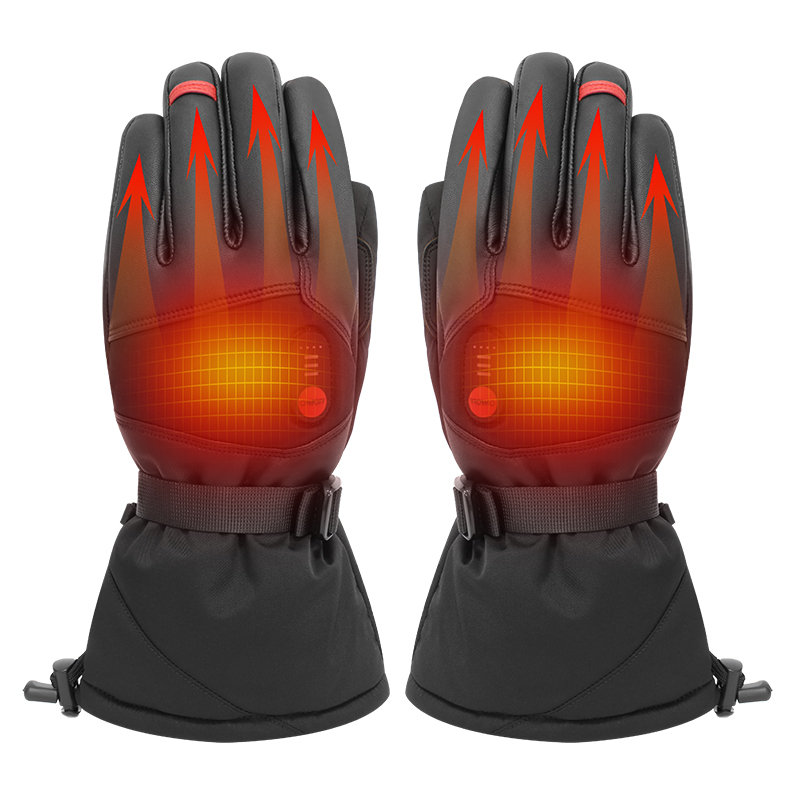
When temperatures drop below freezing, regular gloves often fail to keep your hands warm—especially if you suffer from poor circulation, Raynaud’s syndrome, or simply live in an exceptionally cold climate. That’s where heated gloves come in. These battery-powered wonders deliver consistent warmth directly to your fingers, transforming winter activities from miserable to enjoyable.
In this comprehensive buyer’s guide, we’ll explain everything you need to know about choosing the best heated gloves for your specific needs. Whether you’re an avid skier, an outdoor worker, or someone who just hates cold hands during the morning commute, this guide has you covered.
Why Invest in Heated Gloves?
Traditional insulated gloves rely on trapping your body heat. The problem? If your core temperature drops or your circulation is compromised, your hands stay cold no matter how thick the insulation is. Heated gloves solve this problem by generating their own warmth through built-in heating elements.
Modern heated gloves use advanced carbon fiber or metal wire heating elements distributed across the back of the hand and fingers. Paired with rechargeable lithium-ion batteries, these systems can maintain comfortable temperatures for 2 to 8 hours depending on the heat setting and battery capacity.
Companies like
NRHEAT have been manufacturing heated gloves and other heated apparel since 2010. With over 16 years of experience, a 5,000-square-meter smart factory, and 200+ engineers, NRHEAT produces more than 500,000 heated garments annually for brands worldwide. Their ODM and OEM capabilities mean you can get custom-designed heated gloves with private labeling—perfect for businesses looking to enter this rapidly growing market.
Key Features to Look For in the Best Heated Gloves
Not all heated gloves are created equal. Here are the critical features you should evaluate before making a purchase:
1. Heating Element Coverage
The best heated gloves distribute heat evenly across the back of the hand and extend warmth to the fingertips. Some budget models only heat the back of the hand, leaving your fingers cold. Look for gloves that specifically mention full-hand or finger-tip heating zones.
2. Battery Life and Capacity
Battery capacity is measured in milliampere-hours (mAh). Most heated gloves use 7.4V lithium-ion batteries ranging from 2,200mAh to 5,000mAh. Higher capacity means longer runtime. On low settings, quality gloves can last 6–8 hours; on high settings, expect 2–4 hours. Consider whether the batteries are easily swappable if you need all-day warmth.
3. Temperature Control Settings
Premium heated gloves offer three or more heat settings, typically ranging from 95°F (35°C) to 150°F (65°C). An easy-to-access control button on the glove exterior allows you to adjust heat levels without removing the glove—a crucial convenience in freezing conditions.
4. Waterproofing and Weather Resistance
If you plan to use heated gloves for skiing, snowboarding, or wet work environments, waterproofing is non-negotiable. Look for gloves with a waterproof membrane (like HIPORA or similar) and sealed seams. The outer shell should be windproof as well.
5. Material Quality and Insulation
The outer shell should be durable—goatskin leather and high-denier nylon are popular choices. Inside, Thinsulate or PrimaLoft insulation adds warmth even when the battery dies. A soft fleece or brushed lining enhances comfort during extended wear.
6. Safety Certifications
Since heated gloves combine electricity, batteries, and water exposure, safety certifications matter. Reputable manufacturers obtain CE, FCC, RoHS, and UL certifications. NRHEAT, for example, holds CE, FCC, RoHS, UL, PSE, and METI certifications, ensuring their products meet international safety standards for electrical and heating devices.
Types of Heated Gloves: Which Is Right for You?
The best heated gloves for you depend entirely on how you plan to use them. Here’s a breakdown of the main categories:
Skiing and Snowboarding Gloves
These are typically the most rugged heated gloves on the market. They feature heavy insulation, waterproof membranes, reinforced palms for grip on poles, and long cuffs that seal out snow. Battery compartments are usually positioned on the wrist or cuff where they won’t interfere with movement.
Heated Work Gloves
Designed for construction workers, warehouse staff, and outdoor maintenance crews, heated work gloves prioritize durability and dexterity. They often feature reinforced palms, impact protection, and touchscreen-compatible fingertips so you can use devices without removing the glove.
Lightweight Heated Gloves
For commuting, cycling, or everyday urban use, lightweight heated gloves offer a slimmer profile. They sacrifice some insulation for better dexterity and often feature a more stylish design. These are ideal if you need warmth without bulk.
Heated Mittens
Mittens keep fingers together, which naturally preserves warmth better than gloves. Heated mittens combine this advantage with active heating, making them the warmest option for extremely cold conditions. They’re especially popular among skiers and people with circulation issues.
How to Choose the Right Pair: A Quick Checklist
Use this checklist to narrow down your options:
• Primary use case: skiing, work, commuting, or medical needs?
• Climate: How cold does it get? Do you need extreme cold protection or mild warmth?
• Battery needs: How many hours of heat do you need per charge?
• Fit and sizing: Measure your hand circumference and check size charts carefully.
• Touchscreen compatibility: Will you need to use your phone while wearing them?
• Budget: Entry-level heated gloves start around $50; premium models can exceed $200.
• Warranty and support: Look for at least a one-year warranty and responsive customer service.
Caring for Your Heated Gloves
Proper maintenance extends the lifespan of your heated gloves significantly. Always remove the batteries before cleaning. Most heated gloves should be hand-washed or spot-cleaned only—never machine wash unless the manufacturer explicitly states it’s safe. Air dry thoroughly before reconnecting batteries. Store gloves in a cool, dry place during off-season months, and charge batteries every few months to maintain battery health.
Conclusion: Find Your Perfect Heated Gloves
The best heated gloves combine reliable heating technology, long battery life, weather resistance, and a comfortable fit tailored to your specific activity. Whether you’re hitting the slopes, working outdoors, or simply trying to survive a brutal winter commute, there’s a perfect pair out there for you.
If you’re a brand or retailer looking to offer high-quality heated gloves to your customers, partnering with an experienced manufacturer is essential.
NRHEAT specializes in OEM and ODM heated apparel manufacturing, offering custom designs, private labeling, and flexible MOQs. With their 5,000-square-meter factory, 100+ production machines, and comprehensive international certifications, they provide end-to-end solutions—from initial design to finished product—ensuring you get heated gloves that meet the highest standards of quality and safety.
Stay warm this winter. Your hands will thank you.
Best Heated Wetsuits for Divers & Surfers (2026 Guide)
Cold-water surfers a


