
Why Heated Gloves for Skiing Are a Game-Changer
If you’ve ever cut a ski day short because your fingers felt like ice blocks, you’re not alone. Cold hands are one of the most common reasons skiers abandon the slopes early — even with high-end insulated gloves. The fundamental problem is that traditional gloves rely on trapping your body heat. When wind chill drops below 20°F (-6°C) or you’re riding a chairlift in biting wind, no amount of insulation can compensate for the heat your hands lose.
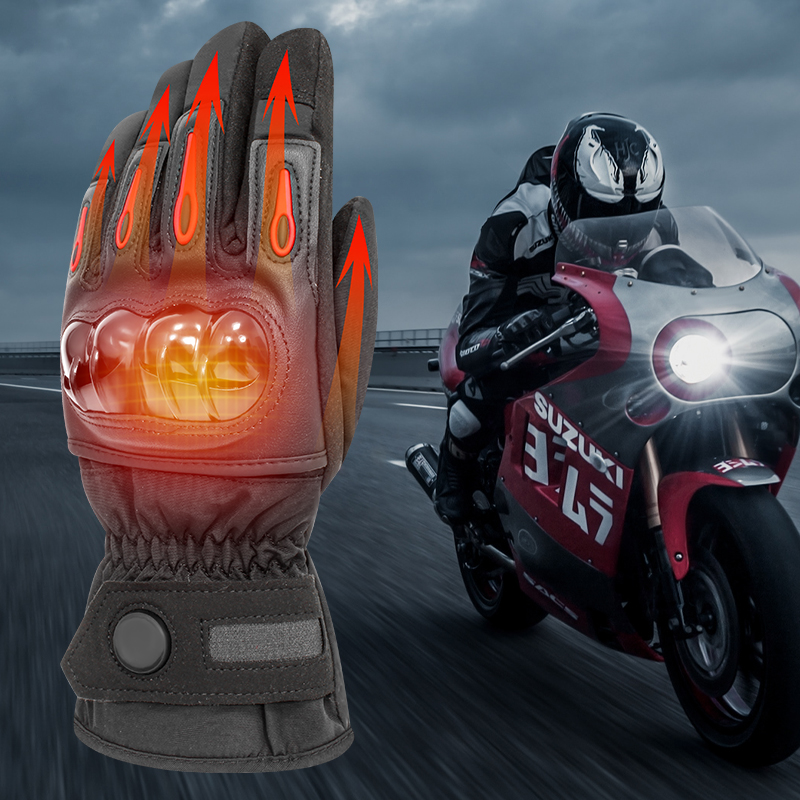
Heated gloves for skiing solve this problem at the source. Instead of merely trapping warmth, they generate their own heat through built-in heating elements powered by rechargeable lithium-ion batteries. This active heating technology maintains consistent temperatures across your fingers, palm, and back of hand — keeping you comfortable from first chair to last run.
In this guide, we’ll break down everything you need to know about choosing the best heated ski gloves, including heating technology, battery performance, waterproofing standards, and the features that actually matter on the mountain.
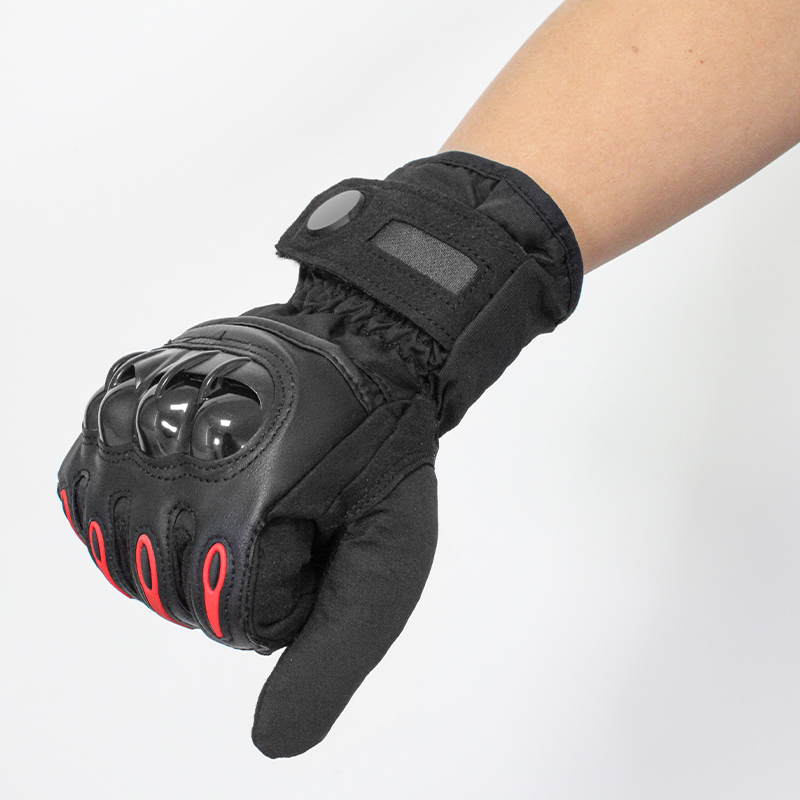
How Heated Ski Gloves Work
Understanding the technology behind heated gloves helps you make a smarter purchase. At their core, heated ski gloves contain three key components:
Heating Elements
Modern heated gloves use one of two heating technologies:
- Carbon fiber heating elements: The current gold standard. Carbon fiber panels are lightweight, flexible, and distribute heat evenly across large surface areas. They’re durable because there are no individual wires to break from repeated bending — a critical advantage for skiing, where gloves undergo constant flexing.
- Metal wire heating elements: The older technology uses thin stainless steel or nickel-chromium wires. While they heat up quickly, they’re less flexible and can create uneven hot spots if wire spacing isn’t precise.
Premium manufacturers like NRheat use proprietary carbon fiber heating systems that reach operating temperature (up to 45°C / 113°F) in as little as 8 seconds. Their heating elements are engineered for energy efficiency, meaning more warmth per battery charge.
Rechargeable Batteries
Most heated ski gloves use 7.4V lithium-ion battery packs ranging from 2,200mAh to 5,000mAh. The battery slides into a dedicated pocket on the cuff or wrist, positioned to avoid interfering with pole grip or wrist movement. Battery capacity directly determines runtime:
| Heat Setting | Temperature Range | Runtime (3,000mAh Battery) |
| Low | 95–105°F (35–41°C) | 6–8 hours |
| Medium | 110–125°F (43–52°C) | 4–5 hours |
| High | 130–150°F (54–65°C) | 2–3 hours |
Temperature Control
A button on the glove exterior lets you cycle through heat settings without removing the glove — essential when you’re wearing a glove on a freezing chairlift. LED indicators (typically blue, white, and red) show the current setting at a glance.
Key Features to Look for in Heated Ski Gloves
Not all heated gloves are built for skiing. Here are the non-negotiable features for slope-ready performance:
1. Waterproofing and Windproofing
Skiing means constant exposure to snow, ice, and wind. Your heated gloves must have:
- A waterproof breathable membrane (such as HIPORA or equivalent) that blocks moisture from entering while letting sweat vapor escape
- Sealed or taped seams to prevent water infiltration at stitch points
- A windproof outer shell — typically high-denier nylon or polyester — to block cold air penetration
Without proper waterproofing, melting snow soaks through the shell, killing insulation and creating a dangerous cold-wet combination.
2. Insulation Quality
Even with active heating, insulation matters. When batteries die (and eventually they will), your gloves need to provide baseline warmth. Look for:
- Thinsulate or PrimaLoft insulation — synthetic fills that retain warmth even when damp
- Fleece or brushed lining for next-to-skin comfort during all-day wear
- 150g to 200g insulation weight for true winter skiing conditions
3. Heating Zone Coverage
Budget heated gloves heat only the back of the hand. For skiing, you need full-hand coverage including:
- Back of hand (standard)
- All five fingers and fingertips (premium)
- Thumb (often overlooked but critical for pole grip)
The more heating zones, the more effective the glove at preventing the localized cold spots that ruin a ski day.
4. Cuff Design and Length
Ski gloves should have long gauntlet-style cuffs that extend past your jacket sleeve, creating a seal that keeps snow out. Short cuffs are fine for casual use but will let powder in during a fall. Look for adjustable wrist cinches and one-handed pull tabs for easy tightening.
5. Palm Grip and Durability
Ski poles put constant friction on the palm. Quality heated ski gloves feature:
- Reinforced palms in goatskin leather or durable synthetic materials
- Kevlar-stitched seams in high-wear areas
- Pre-curved finger construction to reduce hand fatigue during pole planting
6. Touchscreen Compatibility
A small but important feature — touchscreen-compatible fingertips let you check trail maps, respond to messages, or operate a GoPro without exposing your bare hands to the cold.
How to Choose the Right Size Heated Ski Gloves
Sizing is critical for heated gloves. Too tight, and the heating elements press uncomfortably against your skin. Too loose, and you lose dexterity and heat efficiency.
Measuring your hand:
- Measure around the widest part of your dominant hand (excluding thumb)
- Measure from the tip of your middle finger to the base of your palm
- Use the larger of the two measurements against the manufacturer’s size chart
When trying on heated gloves, wear your base liner glove if you use one. You should be able to fully flex your fingers without resistance, and the fingertips should have just enough room to avoid pressing against the heating elements.
Battery Performance in Extreme Cold
One important consideration: lithium-ion batteries lose efficiency in extreme cold. A battery rated for 6 hours at 30°F may only deliver 4 hours at 0°F. To maximize cold-weather battery performance:
- Pre-warm batteries by keeping them in an inside jacket pocket before use
- Start on high for 10–15 minutes to establish warmth, then drop to medium or low
- Carry spare batteries if you ski all day — many heated gloves accept interchangeable battery packs
- Store batteries at room temperature and charge every 2–3 months during off-season
Quality manufacturers design their batteries with cold-weather performance in mind. NRheat’s 7.4V/2200mAh batteries are rated for operation down to -30°C (-22°F), with IP67 water resistance ratings that protect against snow and moisture infiltration.
Safety Certifications Matter
Heated gloves combine electrical current, heat generation, and water exposure — so safety isn’t optional. Always look for products with recognized certifications:
- CE — European conformity for electrical safety
- FCC — US electromagnetic compliance
- RoHS — Restriction of hazardous substances
- UL — Underwriters Laboratories safety testing
- ISO 9001 — Manufacturing quality management
Reputable manufacturers maintain in-house testing labs and aging chambers to verify every production batch. NRheat, for example, operates an independent development laboratory where each glove undergoes durability cycling, waterproof testing, and electrical safety verification before shipping.
Caring for Your Heated Ski Gloves
Proper maintenance extends glove life and preserves heating performance:
- Always remove batteries before cleaning — never wash or submerge gloves with batteries inserted
- Hand wash only with mild detergent — never machine wash unless the manufacturer explicitly permits it
- Air dry flat — never wring, tumble dry, or place near direct heat
- Inspect heating elements seasonally for any signs of wear or damage
- Store in a cool, dry place during off-season with batteries removed and charged to ~50%
Frequently Asked Questions
Are heated gloves allowed on ski resorts?
Yes. Heated gloves are standard ski accessories and are permitted at all resorts. The batteries are small lithium-ion packs similar to those in phones and cameras.
Can I use heated gloves in wet snow?
Quality heated ski gloves are designed for wet conditions. Look for waterproof membranes (IPX6 or higher) and sealed seams. Never submerge gloves fully in water.
How long do heated ski glove batteries last?
Runtime depends on heat setting and ambient temperature. Expect 2–3 hours on high, 4–5 hours on medium, and 6–8 hours on low with a standard 3,000mAh battery.
Can I replace the batteries?
Most heated ski gloves use interchangeable battery packs. Check that your manufacturer offers replacement batteries, and consider buying spares for all-day skiing.
Conclusion
The best heated gloves for skiing combine reliable carbon fiber heating technology, long-lasting batteries, genuine waterproofing, and durable construction tailored to slope conditions. Whether you’re a weekend skier or a resort regular, upgrading to heated gloves transforms cold, painful hands into a non-issue — letting you focus on your technique instead of the temperature.
For brands and retailers looking to offer premium heated ski gloves, partnering with an experienced manufacturer ensures proven technology, international safety certifications, and scalable production. NRheat specializes in OEM and ODM heated glove manufacturing with 16+ years of expertise, a 5,000 sqm smart factory, and comprehensive CE/FCC/RoHS/UL certifications. From custom heating zone design to private-label branding, their end-to-end service helps you deliver heated gloves that skiers will trust season after season.
Stay warm, ski longer, and never let cold hands cut a day short again.


