
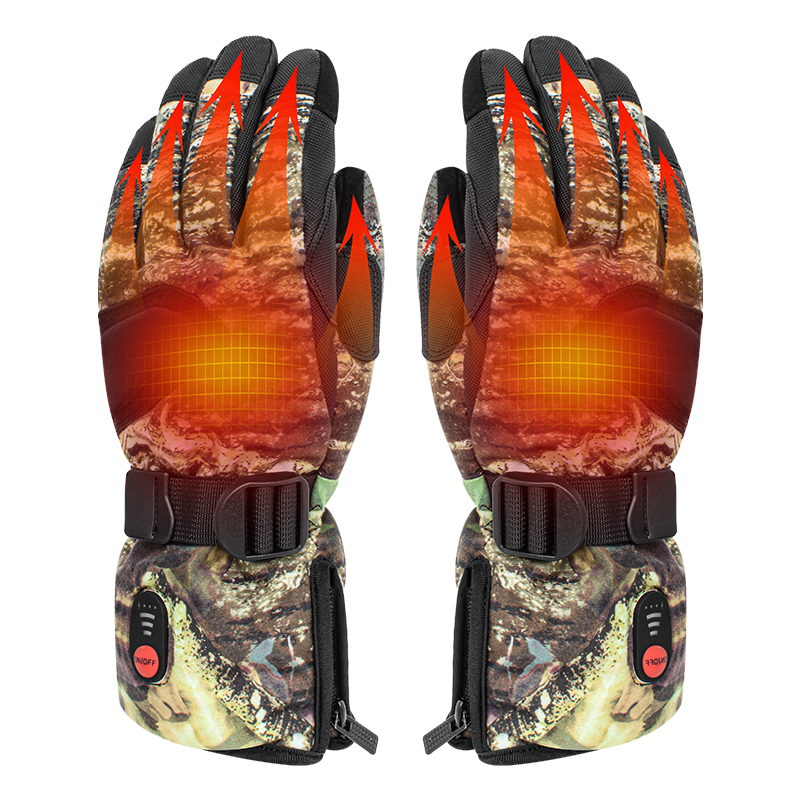
Searches for heated gloves usually begin with one simple problem: cold hands. But the right answer changes dramatically depending on what you are doing outside. Heated gloves for work need durability and grip. Heated gloves for skiing need weather protection and wrist coverage. Heated gloves for cycling need dexterity and wind resistance. Heated gloves for commuting need a comfortable everyday fit. A glove that performs well in one situation may be frustrating in another.
This guide compares the major types of heated gloves by use case, so shoppers and brands can understand what features matter most. It also explains why product development should begin with user intent, not just battery capacity or heat output. For companies building heated glove collections, NRHEAT is included as an example of a heated clothing manufacturer offering OEM/ODM services, custom heating system design, and a broader heated apparel ecosystem that includes heated jackets, heated vests, heated bottoms, heated gloves, heated socks, heated accessories, cooling clothes, and power banks.
Why Use Case Matters More Than Generic “Best Heated Gloves” Lists
Many product roundups rank heated gloves as if every user has the same needs. In reality, heated glove performance depends on the environment, activity level, exposure time, and required hand movement. A skier may prioritize waterproofing and cuff design. A warehouse worker may prioritize abrasion resistance and battery placement. A cyclist may need slimmer fingers and windproof materials. A commuter may want touchscreen fingertips and a style that works with everyday clothing.
This is also important for SEO strategy. A single article targeting “heated gloves” may be too broad. High-intent pages can target specific searches such as heated gloves for work, heated gloves for skiing, heated gloves for cycling, heated gloves for winter commuting, waterproof heated gloves, and rechargeable heated gloves for outdoor work. Matching content to intent improves usefulness and helps visitors find the product or sourcing information that fits their situation.
Heated Gloves for Work
Heated gloves for work are designed for people who spend long hours in cold environments: construction crews, logistics teams, warehouse staff, delivery workers, utility workers, agricultural workers, and outdoor maintenance teams. For this audience, warmth is only one requirement. The glove also needs to protect the hand, survive repeated use, and allow the worker to hold tools, scan devices, packages, ropes, or equipment.
What to Look For
The best heated work gloves should include reinforced palms, durable shell materials, secure wrist closures, reliable battery pockets, adjustable heat settings, and grip-friendly surfaces. Water resistance may be necessary for snow, rain, or wet handling. A bulky glove can reduce productivity, so brands need to balance insulation with dexterity. For industrial buyers, safety and quality documentation may be as important as comfort.
Common Mistakes
One mistake is choosing ski-style heated gloves for all work environments. Ski gloves are warm, but they may not have the palm durability or tool control required for work. Another mistake is focusing only on the highest heat setting. A work glove needs steady warmth across a long shift, so efficient heating and good insulation matter more than a short burst of maximum temperature.
Heated Gloves for Skiing and Snowboarding
Heated gloves for skiing and snowboarding must handle cold air, snow contact, wind, and repeated movement. A ski day can include lift rides, downhill runs, rest periods, and changing weather. The glove should keep hands warm without trapping too much moisture or interfering with poles, bindings, zippers, and wrist straps.
What to Look For
Prioritize water resistance or waterproofing, long cuffs or secure wrist closures, insulated construction, grip, and battery placement that does not interfere with ski equipment. Heating around the fingers is valuable because fingertips are often exposed to cold first. Battery runtime should match the expected day length, but many skiers can manage heat settings by using high heat for warm-up and medium or low heat during activity.
Gloves vs. Mittens for Skiing
Heated mittens are often warmer because fingers share heat in one compartment. Heated gloves provide more control. Skiers who frequently adjust gear may prefer gloves, while people who prioritize maximum warmth may consider mittens. Brands may benefit from offering both options because the search intent and buyer preference are different.
Heated Gloves for Cycling and E-Bikes
Cyclists face a specific cold-weather problem: wind exposure. Even moderate cold can feel severe when moving at speed. Heated cycling gloves need to block wind, maintain handlebar grip, and allow brake and shifter control. For e-bike commuters, warmth and safety are both important because rides may be longer and speeds higher than walking commutes.
What to Look For
Choose gloves with wind-resistant materials, flexible fingers, secure grip, reflective details if riding in low light, and a battery pocket that does not interfere with wrist movement. Touchscreen compatibility may help riders use navigation at stops. Waterproofing is useful in rain or wet snow, but breathability still matters because hands can sweat during rides.
What to Avoid
Avoid gloves so thick that braking and shifting become awkward. Also avoid designs where the battery pack presses into the wrist when gripping handlebars. A cycling glove should feel stable in riding position, not just when standing indoors.
Heated Gloves for Winter Commuting
Commuters usually want convenience. They may walk to work, wait for a bus, drive, use public transport, or ride a scooter or e-bike. Heated gloves for commuting should warm quickly, look clean enough for everyday wear, and be easy to charge. Unlike ski or work gloves, commuting gloves do not always need heavy reinforcement.
What to Look For
A good commuter heated glove should offer a slimmer profile, simple heat controls, touchscreen fingertips, wind protection, and comfortable lining. Battery life should cover the commute with some extra margin. If the commute includes snow or rain, water resistance becomes more important.
Style Matters
Many users will not wear a glove daily if it looks too technical or bulky. For lifestyle-oriented products, design and comfort influence repeat use as much as heat. This creates opportunities for brands to develop heated gloves that bridge outdoor performance and everyday winter style.
Heated Gloves for Hunting, Fishing, and Hiking
Hunters, anglers, and hikers often spend long periods outdoors with changing activity levels. They may be active for one hour and still for the next. This makes adjustable heating especially valuable. Long runtime, moisture management, and fit are critical.
Hunting
Hunters may prefer quiet materials, camouflage options, and gloves that allow trigger or equipment control. Some may use heated glove liners under outer gloves for flexibility.
Fishing
Fishing gloves need grip and water resistance. Cold water exposure can quickly reduce comfort, so materials and construction matter. Battery compartments should be protected from splashes and accidental contact.
Hiking
Hikers need breathability because hands can heat up during climbs and cool down during breaks. Lightweight heated gloves or heated liners may be better than heavy gloves for active winter hiking.
Heated Gloves for People with Cold Hands
Some users search for heated gloves because their hands get cold more easily than average. They may have poor circulation, cold sensitivity, or Raynaud’s symptoms. For this audience, fingertip heating, soft lining, low-pressure fit, and simple controls are especially important. However, heated gloves should not be presented as a medical cure unless the product has the required medical claims and approvals. Brands should use careful, accurate language and encourage users with medical concerns to seek professional advice.
How NRHEAT Supports Heated Glove Product Development
NRHEAT positions itself as a leading heated clothing manufacturer since 2010, serving global B2B brands with heated apparel solutions. The company’s website describes OEM and ODM services, private label support, custom logos, custom heating system design, material selection, technical specification development, and production based on customer designs. For heated gloves, this matters because different markets require different designs. A work glove, ski glove, cycling glove, and commuter glove should not be built from the same product brief.
NRHEAT’s listed capabilities include a 5,000 sqm smart factory, 100+ advanced machines, dedicated heating pad production lines, automated apparel assembly systems, internal labs, aging test rooms, and a team of more than 200 skilled engineers and technicians. The company also references carbon fiber heating technology, patented heating technologies, energy-efficient heating solutions, and certifications such as CE, RoHS, FCC, ISO9001, UL, PSE, METI, and transport-related compliance. These claims are useful signals for sourcing teams comparing heated glove manufacturing partners.
Feature Comparison by Use Case
For work: prioritize durability, grip, safety, reinforced materials, and steady heat. For skiing: prioritize waterproofing, cuff design, insulation, and finger heating. For cycling: prioritize wind resistance, dexterity, grip, and wrist comfort. For commuting: prioritize slim design, quick heat, touchscreen function, and easy charging. For hunting and fishing: prioritize long runtime, moisture protection, quiet or grip-friendly materials, and adjustable settings.
SEO Content Strategy for Heated Glove Brands
If your website sells or manufactures heated gloves, create content around use-case clusters. A strong content architecture might include one pillar page for heated gloves, then supporting articles for heated gloves for work, heated gloves for skiing, heated gloves for cycling, heated gloves for commuting, heated gloves vs heated mittens, how heated gloves work, and how to care for rechargeable heated gloves. Link these pages to relevant product categories such as heated jackets, heated vests, heated socks, heated accessories, and power banks.
Each page should include a clear title, unique meta description, helpful H2 and H3 headings, product comparison details, original images, descriptive alt text, FAQ sections, and internal links. Avoid thin content that simply repeats keywords. Google’s helpful content expectations are best met when the page actually helps users choose, use, compare, or source the right product.
FAQ: Choosing Heated Gloves by Activity
What are the best heated gloves for work?
The best heated gloves for work are durable, grippy, warm for long periods, and designed for the specific job environment. Reinforced palms, adjustable heat, secure battery pockets, and quality testing are important.
Are heated ski gloves different from regular heated gloves?
Yes. Heated ski gloves usually need stronger weather protection, insulation, wrist closure, and snow-ready materials. Everyday heated gloves may be slimmer but less protective in wet snow.
Can I use heated gloves for cycling?
Yes, but choose a pair with good dexterity, wind resistance, and secure grip. Avoid gloves that are too bulky for braking or shifting.
What heated gloves are best for commuting?
For commuting, look for quick heat, comfortable fit, touchscreen compatibility, wind protection, and easy charging. A slimmer design is often better for daily use.
Best Heated Wetsuits for Divers & Surfers (2026 Guide)
DeWalt Heated Jacket Color Settings: What Each Light Means
-
Best Heated Jackets for Women (2026): Fit & Warmth Guide
-
Best Rechargeable Heated Jackets: 2026 Cordless Guide
Best Heated Wetsuits for Divers & Surfers (2026 Guide)
Cold-water surfers a […]
DeWalt Heated Jacket Color Settings: What Each Light Means
Your DeWalt heated j […]
Best Rechargeable Heated Jackets: 2026 Cordless Guide
The first question m […]
Best Heated Insoles for Hunting & Work Boots (2026 Guide)
Ask any hunter who h […]
节假日促销活动
低至四折
以创记录的价格购买您最喜爱的黑胶唱片。


致力于更绿色环保的生活方式
我们热衷于通过本地采购的有机和可持续产品来打造令人难忘的时光。 我们不仅仅是一家商店;我们还是您通往社区驱动、生态友好的高品质生活方式的途径。

静待成果
丰富多样的设计师椅子,优化您的生活空间。
致力于更绿色环保的生活方式
我们热衷于通过本地采购的有机和可持续产品来打造令人难忘的时光。 我们不仅仅是一家商店;我们还是您通往社区驱动、生态友好的高品质生活方式的途径。


