
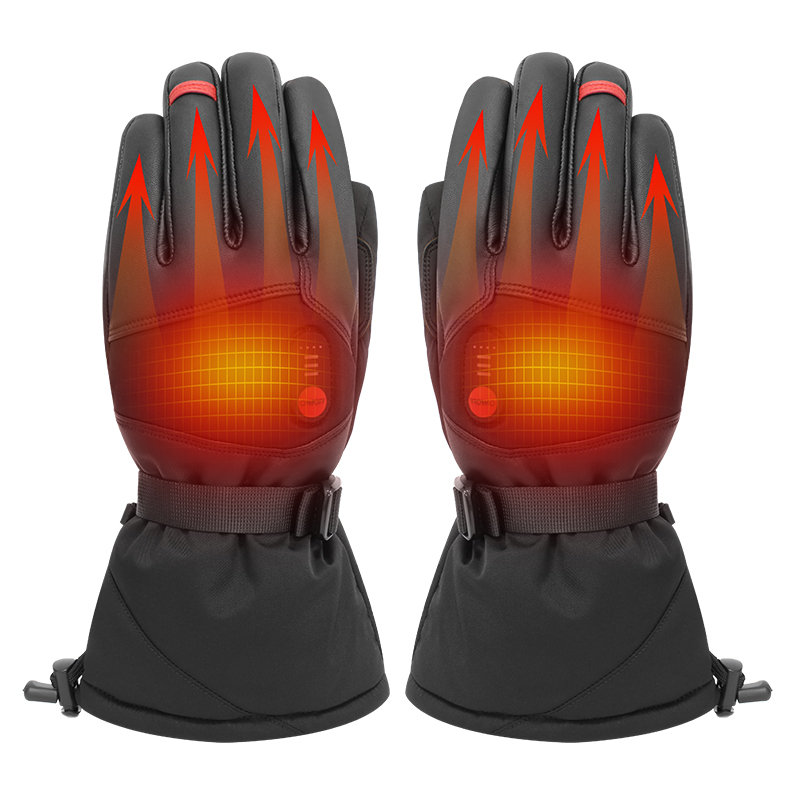
Cold hands can ruin a winter commute, an outdoor work shift, a ski day, or a long weekend hike. Traditional insulated gloves help by trapping body heat, but they cannot create warmth when your fingers are already cold. That is why heated gloves have become one of the most searched winter wear categories for people who want dependable warmth, better dexterity, and longer time outdoors. The best heated gloves combine insulation, rechargeable battery power, flexible heating elements, weather protection, and a comfortable fit that still allows you to grip tools, ski poles, handlebars, or a phone.
This guide explains how to choose heated gloves that actually match your use case. It is written for consumers comparing winter gloves, outdoor brands planning a new product line, and purchasing teams looking for reliable heated apparel manufacturing partners. It also introduces how NRHEAT, a heated clothing manufacturer serving global B2B brands, fits into the market with heated apparel solutions that include heated gloves, heated jackets, heated vests, heated socks, heated accessories, and custom OEM/ODM projects.
What Are Heated Gloves?
Heated gloves are gloves with built-in heating elements powered by rechargeable batteries or, in some specialized cases, an external power source. Most modern battery heated gloves use thin, flexible heating wires or panels positioned around the back of the hand, fingers, fingertips, or wrist area. The goal is not to make the glove feel hot like a heater. A good pair of electric heated gloves should create steady, comfortable warmth while still allowing the glove to breathe, bend, and protect the hand from wind, moisture, and abrasion.
The most popular heated gloves are rechargeable heated gloves because they are portable and easy to use. Users charge the battery pack, connect it inside a small glove pocket, choose a heat level, and wear the gloves like regular winter gloves. Many models offer low, medium, and high settings. Lower settings conserve battery life during long outdoor periods, while higher settings provide faster warmth during extreme cold or low-activity situations.
Who Should Consider Heated Gloves?
Heated gloves are useful for anyone whose hands get cold faster than the rest of the body. Search demand is especially strong around heated gloves for skiing, heated gloves for motorcycle riding, heated gloves for winter work, heated gloves for cycling, heated gloves for hunting, and heated gloves for Raynaud’s symptoms. Each group has a different need. A skier needs weatherproofing, grip, and wrist coverage. A commuter needs a slim design, touchscreen compatibility, and quick heat. A construction worker needs durability and safety. A hunter may care about quiet materials and long battery life.
This is why one “best heated gloves” recommendation rarely fits everyone. The right glove depends on temperature, activity level, exposure time, moisture conditions, and how much finger control the user needs. For example, a person walking a dog for 20 minutes in freezing weather can choose a lighter rechargeable heated glove, while someone working outside for six hours needs stronger insulation, more durable materials, and a battery system designed for longer use.
Key Features to Look for in the Best Heated Gloves
1. Heating Coverage
Heating coverage is one of the most important ranking factors in product reviews and buyer comparisons. Some gloves only heat the back of the hand. Better designs extend warmth toward the fingers or fingertips, where people usually feel cold first. For winter sports, outdoor work, and motorcycling, finger coverage is often more valuable than a single hot zone near the knuckles. When evaluating heated gloves, check whether the heating elements cover the back of the hand, fingers, fingertips, and wrist area.
2. Battery Life and Heat Settings
Battery life depends on battery capacity, outside temperature, insulation, and the selected heat level. A glove may last several hours on low but much less on high. That does not mean high heat is bad. It means users should choose gloves based on realistic use. For commuting, a shorter high-output battery may be fine. For fishing, hunting, skiing, logistics work, and long outdoor shifts, buyers should prioritize efficient heating, good insulation, and replaceable batteries. Brands developing heated gloves should clearly communicate estimated runtime by setting, because this is one of the first questions customers ask.
3. Material and Weather Protection
Heated gloves still need to perform like serious winter gloves. Look for wind-resistant shells, water-resistant or waterproof membranes, reinforced palms, soft lining, and cuffs that block snow or cold air. Leather can offer durability and grip, while synthetic fabrics may reduce weight and improve flexibility. For active use, breathability matters because sweat can make hands cold after activity slows down. For industrial or workwear applications, materials should be chosen around abrasion resistance, safety, and long-term durability.
4. Fit, Dexterity, and Grip
A heated glove that is too bulky may feel warm but still fail in real use. The best heated gloves balance warmth with dexterity. Fingers should bend naturally. The palm should grip tools, handlebars, poles, or equipment securely. The wrist closure should feel stable without cutting circulation. If a glove is too tight, it can reduce blood flow and make the hands colder. If it is too loose, warm air escapes and finger control becomes poor. This is why sizing charts and sample testing are essential for both consumers and B2B buyers.
5. Safety and Certifications
Because heated gloves combine fabric, batteries, wiring, and electronics, safety should never be treated as an afterthought. Buyers should look for quality control processes, battery protection, reliable connectors, and compliance with relevant market requirements. NRHEAT highlights CE, RoHS, FCC, ISO9001, UL, PSE, METI, and transport-related certifications on its site, which is relevant for global brands that need heated apparel products aligned with international standards.
Heated Gloves vs. Regular Insulated Gloves
Regular insulated gloves work by slowing heat loss. They are simple, affordable, and effective for many winter conditions. Heated gloves go further by actively generating warmth. This matters when the body cannot produce enough heat in the hands, when activity levels are low, or when exposure lasts for hours. However, heated gloves require charging, battery management, and careful product design. A cheap heated glove with poor insulation may feel warm for a short time but fail in wind or wet snow. A well-designed heated glove uses insulation and active heat together, so the battery is not forced to compensate for weak materials.
Heated Gloves vs. Heated Mittens
Heated mittens usually feel warmer because fingers share one insulated compartment, reducing heat loss. Heated gloves provide better dexterity because each finger moves separately. For skiing, snowboarding, and extreme cold, mittens may be attractive. For motorcycling, cycling, work, photography, fishing, and phone use, gloves often make more sense. Many brands sell both because customer intent is different. If your priority is maximum warmth, compare heated mittens. If your priority is control and grip, heated gloves are usually the better starting point.
How to Choose Heated Gloves by Use Case
For Winter Commuting
Commuters usually want fast heat, easy charging, touchscreen fingertips, and a design that is not too bulky. A slimmer rechargeable heated glove can work well for walking, public transport, driving, or short e-bike rides. Waterproofing may matter less than wind resistance unless the commute includes snow or rain.
For Skiing and Snowboarding
Ski heated gloves should prioritize weather protection, wrist closure, insulation, and grip. Snow contact is common, so water resistance and durable palms are important. Battery pockets should be placed where they do not interfere with pole straps or wrist movement.
For Outdoor Work
Work gloves need durability first. Heating is valuable, but not if the glove tears, loses grip, or creates safety issues. For cold storage, construction, logistics, agriculture, and field work, B2B buyers should consider reinforced materials, consistent heating, and testing under real work conditions.
For Hunting, Fishing, and Hiking
Long battery life and moisture control are key. Hunters may also care about noise and camouflage. Anglers need grip and water resistance. Hikers need breathability because body heat changes with movement. In all three cases, adjustable heat settings are useful because conditions can change throughout the day.
Where NRHEAT Fits in the Heated Gloves Market
NRHEAT is positioned as a China-based heated clothing manufacturer and supplier for global B2B brands. According to its website, the company has focused on heated clothing since 2010 and supports OEM and ODM heated apparel projects. Its product categories include heated jackets, heated vests, heated bottoms, heated gloves, heated socks, heated accessories, cooling clothes, and power banks. For brands planning heated gloves, this broader ecosystem matters because gloves are often sold as part of a winter heated apparel collection rather than as a single isolated product.
NRHEAT’s site describes a 5,000 sqm smart factory, 100+ advanced machines, dedicated heating pad production lines, automated apparel assembly systems, internal labs, aging test rooms, and more than 200 skilled engineers and technicians. It also references carbon fiber heating technology, patented heating technologies, energy-efficient heating solutions, and custom heating system design. For B2B buyers, these details support the type of manufacturer evaluation that goes beyond price: heating performance, production scale, quality control, certification support, and custom development capability.
SEO Tip for Brands Selling Heated Gloves
If your brand sells heated gloves, do not rely on one generic product page. Search behavior is fragmented. Create pages or sections that match real search intent: best heated gloves, heated gloves for skiing, rechargeable heated gloves, waterproof heated gloves, heated gloves for winter work, heated gloves for Raynaud’s, and heated gloves vs heated mittens. Each page should answer practical questions with original information, clear product specs, images with descriptive alt text, internal links, and FAQ content. Google’s helpful content guidance rewards pages that demonstrate first-hand usefulness rather than thin keyword repetition.
FAQ:
Are heated gloves worth it?
Yes, heated gloves are worth it for people who regularly experience cold hands during commuting, outdoor work, winter sports, hunting, fishing, cycling, or long exposure to freezing weather. They are most valuable when regular insulated gloves are not enough.
How long do heated gloves last on one charge?
Runtime varies by battery capacity, heat setting, insulation, and temperature. Low settings usually last longer, while high heat drains the battery faster. Always compare manufacturer runtime estimates by heat level.
Can heated gloves get wet?
Some heated gloves are water-resistant or waterproof, but not all are designed for heavy wet conditions. Check the product’s shell material, membrane, seam construction, and care instructions before using them in snow or rain.
What is the best temperature setting for heated gloves?
Start with medium or high to warm the hands quickly, then switch to low or medium to maintain comfort and extend battery life. The best setting depends on temperature, wind, activity level, and personal comfort.
Final Thoughts
The best heated gloves are not simply the hottest gloves. They are the gloves that deliver the right warmth, fit, battery life, safety, durability, and weather protection for a specific use case. Consumers should compare heating coverage, materials, runtime, and comfort. Brands should evaluate manufacturing capability, certification support, quality control, and customization options. For B2B buyers building heated glove lines, NRHEAT offers a relevant example of a heated clothing manufacturer with product categories and technical capabilities that support full winter heated apparel programs.


