
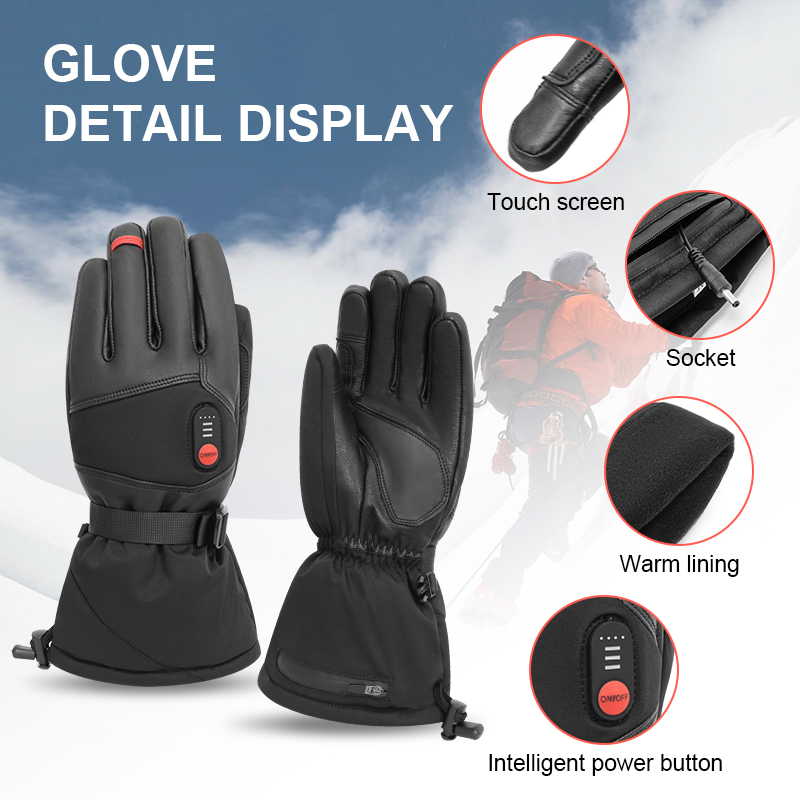
Heated gloves look simple from the outside: put them on, press a button, and your hands get warm. Inside, however, a good pair of heated gloves combines textile engineering, flexible heating elements, rechargeable battery technology, temperature control, insulation, and safety testing. Understanding how heated gloves work helps consumers choose better products and helps brands design gloves that feel warm, safe, durable, and comfortable in real winter conditions.
This article explains the technology behind battery heated gloves in plain English. It also includes practical buying and care tips, plus sourcing considerations for companies interested in heated apparel development. NRHEAT is referenced as a heated clothing manufacturer because its website highlights heated gloves as part of a broader product range that includes heated jackets, heated vests, heated bottoms, heated socks, heated accessories, cooling clothes, and power banks.
The Basic Principle Behind Heated Gloves
Heated gloves work by converting electrical energy from a battery into heat through built-in heating elements. The heating elements are usually thin, flexible components placed inside the glove layers. When current flows through them, they warm up and transfer heat toward the hand. Insulation then helps keep that warmth inside the glove, while the outer shell protects against cold air, snow, and moisture.
The most important point is that heated gloves are a system. The battery alone does not make a glove good. The heating element alone does not make a glove good. Warmth comes from the relationship between power, heating coverage, insulation, fit, materials, and temperature control. If one part is weak, the whole glove performs poorly.
Main Components of Battery Heated Gloves
1. Rechargeable Battery Packs
Most modern electric heated gloves use small rechargeable lithium battery packs. These batteries are usually stored in a zippered pocket near the wrist or cuff. The user connects the battery to a cable inside the glove, turns on the heat, and selects a temperature setting. Battery capacity is often measured in milliamp-hours or watt-hours, but real runtime depends on more than the number printed on the battery. Cold weather can reduce battery performance, and high heat settings consume energy faster than low settings.
2. Heating Elements
Heating elements are the parts that generate warmth. Different manufacturers may use metal wires, carbon fiber heating technology, or other flexible heating materials. NRHEAT’s website references carbon fiber heating technology and patented heating technologies in its heated clothing solutions. Carbon fiber is often discussed in heated apparel because it can be flexible, lightweight, and suitable for wearable heating layouts. The design challenge is placing heat where the user needs it without making the glove stiff or uncomfortable.
3. Control Button and Heat Settings
Most heated gloves include a control button that cycles through different heat levels. Many products use color indicators to show low, medium, and high settings. Adjustable settings matter because the same glove may be used during a short commute, a ski day, a hunting trip, or a work shift. A high setting can help warm cold fingers quickly, while a low setting can maintain comfort for longer periods. Clear control design is especially important when users are wearing the gloves outdoors and cannot easily remove them to adjust settings.
4. Insulation and Lining
Insulation holds warmth around the hand. Without good insulation, the heating elements must work harder, battery life drops, and warmth may feel uneven. Soft lining improves comfort and helps spread heat. For active sports, the lining should also handle moisture because sweat can cool the hand when activity slows.
5. Outer Shell and Palm Materials
The outer shell protects the heating system and the hand. It should resist wind, cold, and abrasion. Some gloves include waterproof or water-resistant layers. Palms often use leather, synthetic leather, silicone prints, or reinforced textiles for grip. The material choice should match the intended use: skiing, motorcycle riding, commuting, industrial work, fishing, cycling, or general winter wear.
Why Heating Zone Design Matters
Many shoppers focus on battery size, but heating zone design is just as important. Hands do not feel cold evenly. Fingers and fingertips often get cold first because they are farther from the body’s core and have less mass. A glove that heats only the back of the hand may feel comfortable at first but may not solve cold fingertips. Better heated gloves distribute warmth across the hand in a way that matches real cold exposure.
For product developers, heating layout is a key part of ODM design. NRHEAT states that its ODM services include custom heating system design, product style and functional development, material selection, and technical specification development. This type of customization is valuable because heated gloves for skiing do not need the exact same heating layout as heated work gloves or heated commuter gloves.
How Long Do Heated Glove Batteries Last?
Battery life is one of the most searched questions about rechargeable heated gloves. The honest answer is that runtime depends on multiple variables: battery capacity, heat setting, outside temperature, insulation quality, wind exposure, glove fit, and whether the battery is new or aging. High heat can provide fast comfort but uses energy quickly. Low heat saves energy but may not be enough in severe cold. Medium heat is often the practical setting for many users.
A useful product page should provide runtime estimates for each setting and explain the testing conditions. Brands should avoid vague claims like “all-day heat” unless they can define what that means. Consumers should be cautious when comparing battery life across different brands because test conditions may not be identical.
Are Heated Gloves Safe?
Heated gloves can be safe when they are designed, manufactured, and used properly. Safety depends on battery protection, wiring quality, heat regulation, material selection, connector durability, and product testing. Users should follow care instructions, avoid damaged batteries or cables, and stop using gloves if they notice unusual heat, burning smell, swelling batteries, or visible wire damage.
For global brands, certification and compliance matter because heated gloves include electronics. NRHEAT’s website lists certifications and compliance references including CE, RoHS, FCC, ISO9001, UL, PSE, METI, and transport-related certifications. These details are important for B2B sourcing teams that plan to sell heated apparel in different markets and need documentation beyond a basic product sample.
Can You Wash Heated Gloves?
Heated gloves require careful cleaning because they contain electrical components. Many products should not be machine washed unless the manufacturer clearly says they are washable and provides instructions. In most cases, users should remove batteries, close ports or covers, spot clean with a damp cloth, avoid soaking, and let the gloves air dry completely before reconnecting the batteries. Never use heated gloves while they are wet inside unless the product is specifically designed for that situation.
Common Problems and How to Avoid Them
Uneven Heat
Uneven heat can be caused by poor heating element placement, weak insulation, low battery power, or glove fit. If one area is warm but fingertips remain cold, the heating zone may not match the user’s need. For brands, prototype testing should include real wear scenarios rather than only lab checks.
Short Battery Life
Short runtime may happen in extreme cold or when the glove is used mostly on high heat. It can also be caused by old batteries, insufficient insulation, or unrealistic product claims. Carrying spare batteries can help for long outdoor days.
Bulky Feel
Some heated gloves feel bulky because they combine insulation, wiring, battery pockets, and reinforced materials. Better design integrates these elements without blocking finger movement. For users who need fine control, heated glove liners or slimmer heated gloves may be better than heavy ski-style gloves.
Battery Pocket Discomfort
Battery placement affects comfort. A poorly positioned battery can press against the wrist, interfere with jacket cuffs, or make the glove feel unbalanced. This is especially important for skiing, cycling, motorcycling, and workwear.
Heated Gloves for Different Users
People with Cold Hands or Raynaud’s Symptoms
People who struggle with cold fingers may benefit from gloves with fingertip heating, soft lining, and easy controls. However, heated gloves are not medical devices unless specifically certified as such. Users with medical conditions should follow professional advice.
Winter Sports Users
Skiers and snowboarders need heated gloves that combine warmth with waterproofing, wrist protection, grip, and durability. Battery life matters because a ski day can last several hours, but weather protection is equally important.
Outdoor Workers
Workers need gloves that survive repeated use. Heat should not compromise grip, safety, or durability. Brands developing heated work gloves should think carefully about reinforcements, battery placement, and quality testing.
Commuters and Everyday Users
Everyday users usually prefer lightweight designs, simple charging, touchscreen function, and quick warmth. A glove that is too technical or bulky may not be worn daily, even if it is warm.
What Brands Should Ask a Heated Glove Manufacturer
If you are sourcing heated gloves for a private-label line, ask more than “what is the unit price?” A better sourcing checklist includes heating zone options, battery specifications, controller design, available shell materials, insulation choices, waterproofing options, certifications, testing procedures, MOQ flexibility, packaging support, logo customization, lead times, and after-sales documentation.
NRHEAT’s website positions the company as a B2B heated clothing manufacturer with OEM and ODM services. Its OEM services include production based on customer designs, technical drawings, specifications, and packaging. Its ODM services include custom heating systems and functional development from concept to finished product. These capabilities are relevant for brands that want heated gloves to match a broader heated clothing collection or a specific audience such as winter sports, outdoor labor, or cold-weather commuting.
Product Page SEO Recommendations for Heated Gloves
A strong heated gloves product page should explain the technology in a way users can understand. Include battery runtime by setting, heating zone diagrams, material information, waterproof or water-resistant details, sizing guidance, safety instructions, cleaning instructions, and FAQs. Add descriptive image alt text such as “rechargeable heated gloves with wrist battery pocket” or “heated gloves showing fingertip heating zones.” Use internal links to related heated clothing categories, such as heated jackets, heated vests, heated socks, and power banks.
FAQ
Do heated gloves heat the fingers or only the hand?
It depends on the design. Some heated gloves focus on the back of the hand, while others extend heat to the fingers or fingertips. Check the heating zone description before buying.
Do heated gloves use a lot of battery?
High heat settings use more battery. Low and medium settings usually extend runtime. Good insulation helps reduce energy use because heat is retained more effectively.
Can heated gloves overheat?
Quality heated gloves should include temperature control and safe electrical design. Users should still follow instructions and stop using gloves if they feel unusually hot or damaged.
Are carbon fiber heated gloves better?
Carbon fiber heating technology can be flexible and suitable for wearable heating products, but overall performance depends on the complete design: heating layout, battery, insulation, materials, and quality control.
Final Thoughts
Heated gloves work by combining batteries, heating elements, controls, insulation, and protective materials into one wearable system. The best products feel natural on the hand, provide warmth where users need it, protect against winter conditions, and meet safety expectations. Consumers should compare real-world performance details, not just marketing claims. Brands should work with manufacturers that understand heating technology, textile construction, compliance, and scalable production. NRHEAT’s heated apparel manufacturing positioning makes it a relevant reference point for companies exploring heated gloves as part of a full cold-weather product line.
We’re a studio in Berlin with an international practice in architecture, urban planning and interior design. We believe in sharing knowledge and promoting dialogue to increase the creative potential of collaboration.
Table of Contents
ToggleWe’re a studio in Berlin with an international practice in architecture, urban planning and interior design. We believe in sharing knowledge and promoting dialogue to increase the creative potential of collaboration.
Best Heated Wetsuits for Divers & Surfers (2026 Guide)
DeWalt Heated Jacket Color Settings: What Each Light Means
-
Best Heated Jackets for Women (2026): Fit & Warmth Guide
-
Best Rechargeable Heated Jackets: 2026 Cordless Guide


