
When the temperature drops and traditional layers fail to keep you warm, a heated vest can be a game-changer. Whether you are an outdoor worker braving freezing construction sites, a hunter waiting patiently in a blind, or a motorcyclist facing icy winds, heated vests offer targeted warmth that regular clothing simply cannot match. In this comprehensive guide, we will explore everything you need to know about heated vests—from the technology behind them to how to choose the right one for your needs.
What Is a Heated Vest?
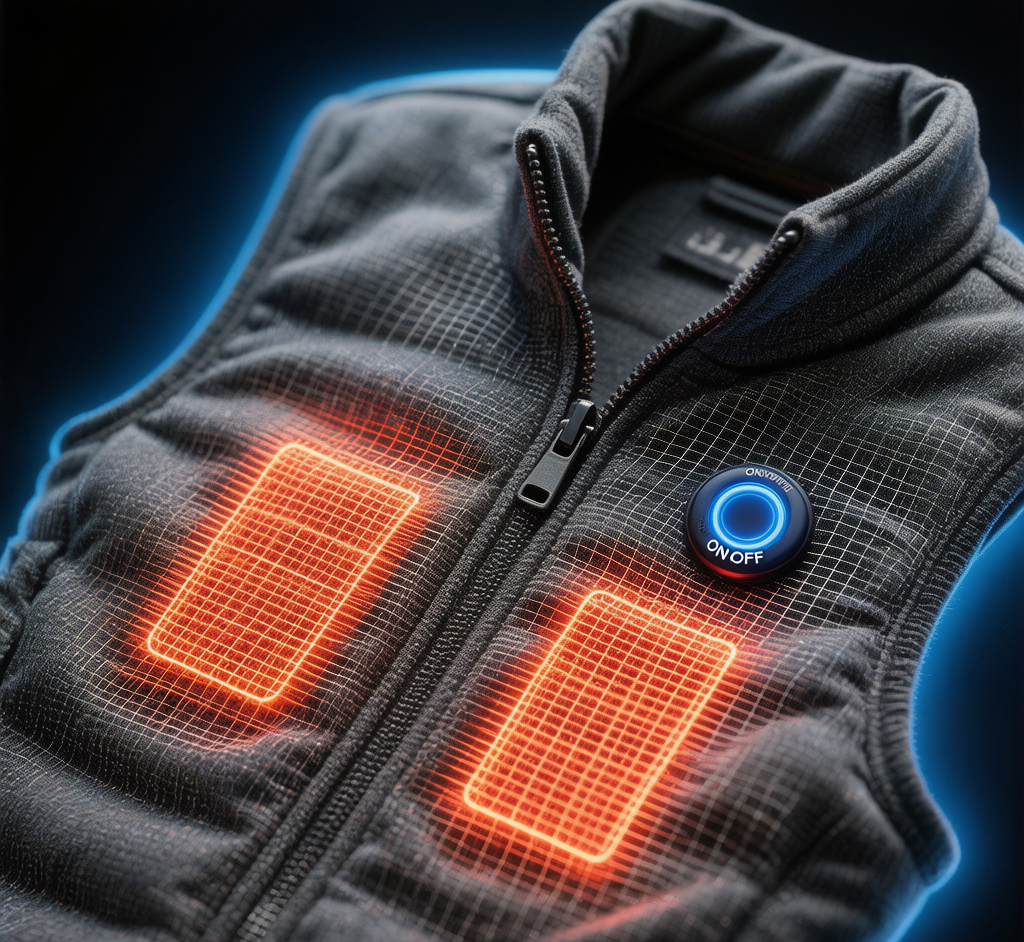
A heated vest is a battery-powered garment designed to provide adjustable warmth through integrated heating elements. Unlike bulky winter coats that rely solely on insulation, heated vests use advanced heating technology to generate warmth directly against your body. This allows for thinner, more flexible designs without sacrificing comfort in cold conditions.
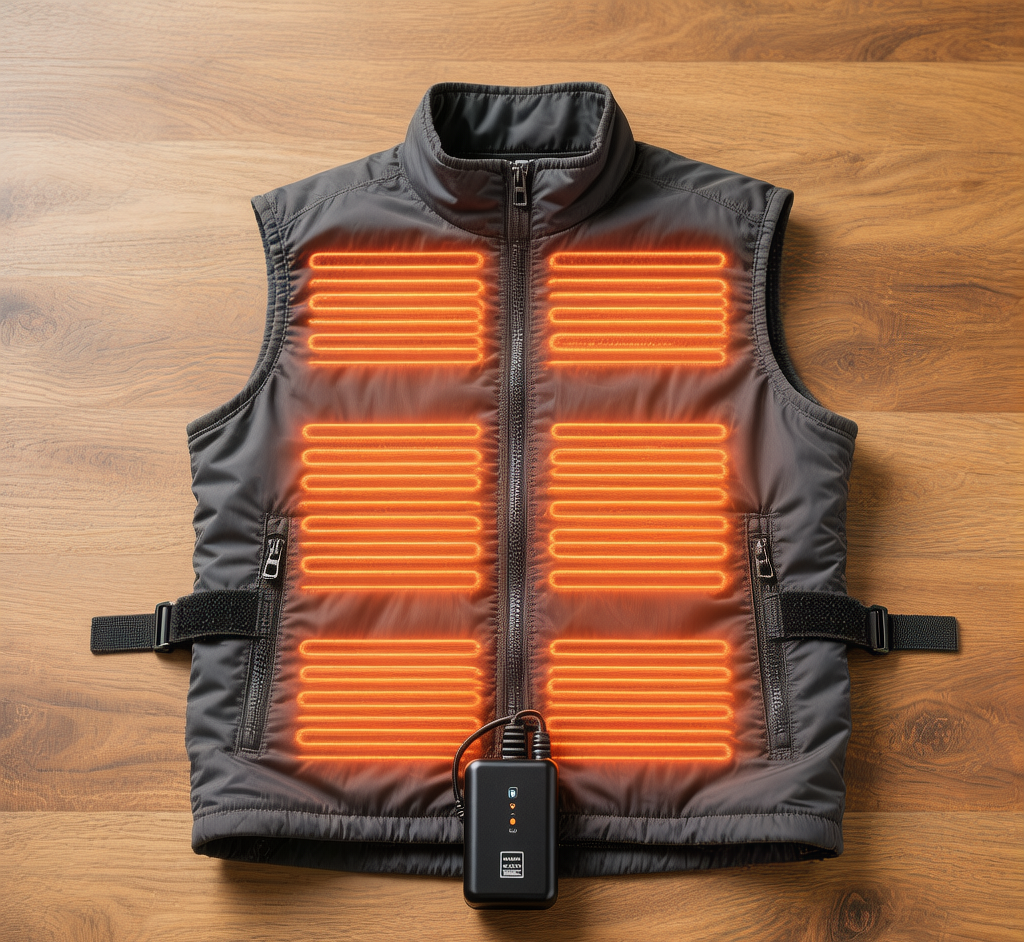
Most heated vests feature carbon fiber or graphene heating elements strategically placed across core body areas—typically the chest, back, and sometimes the collar. These elements connect to a rechargeable lithium-ion battery, usually stored in an interior pocket, giving users hours of consistent heat on a single charge.
How Do Heated Vests Work?
The core technology behind heated vests is relatively simple but highly effective. When activated, the battery sends an electrical current through the heating elements, which resist the flow of electricity and generate heat as a byproduct. This process, known as Joule heating, produces consistent, controllable warmth.
Modern heated vests come with multiple heat settings—typically low, medium, and high—allowing users to adjust the temperature based on conditions and activity level. Some advanced models even include Bluetooth connectivity, enabling temperature control through a smartphone app.
The heating elements are usually made from carbon fiber because it is lightweight, flexible, and distributes heat evenly. More recently, graphene has emerged as an alternative material, offering faster heating times and improved energy efficiency.
Key Benefits of Wearing a Heated Vest
One of the most significant advantages of heated vests is their ability to provide warmth without restricting movement. Traditional winter gear often requires multiple bulky layers, which can limit mobility and cause discomfort during physical activities. Heated vests eliminate this problem by delivering warmth through technology rather than bulk.
Another major benefit is the ability to maintain optimal body temperature in varying conditions. Whether you are moving between indoor and outdoor environments or experiencing changing weather, a heated vest allows you to adjust your warmth instantly rather than adding or removing layers.
Heated vests are also more energy-efficient than space heaters or other external warming devices. A single battery charge can provide up to 10 hours of heat, making them ideal for long work shifts, extended hunting trips, or all-day outdoor events.
Who Should Consider Buying a Heated Vest?
Heated vests are suitable for a wide range of people and activities. Outdoor workers in construction, agriculture, and utilities often rely on heated vests to stay productive during winter months. Hunters and fishermen appreciate the stealth warmth that allows them to remain still for hours without shivering.
Motorcyclists and snowmobilers benefit from the wind-resistant designs that combine heating technology with protective outer shells. Even casual users who simply dislike being cold—whether walking the dog, attending outdoor sporting events, or commuting—find heated vests to be a worthwhile investment.
What to Look for When Buying a Heated Vest
When shopping for a heated vest, several factors should influence your decision. First, consider the battery life and heating duration. Look for vests that offer at least 6-8 hours of heat on medium settings. Also, check whether the battery is included and if replacement batteries are readily available.
The number and placement of heating zones matter too. More zones generally mean better heat distribution. Common configurations include two zones (chest and back), three zones (adding the collar), and premium models with up to five or six zones covering the entire core.
Material quality affects both comfort and durability. Water-resistant or waterproof outer shells are essential for outdoor use, while soft inner linings improve comfort during extended wear. Look for vests with reinforced stitching and quality zippers that can withstand regular use.
Safety should never be overlooked. Choose vests with certified batteries that include overcharge protection, short-circuit prevention, and automatic shutoff features. Reputable manufacturers will list safety certifications such as CE, FCC, or UL.
How to Care for Your Heated Vest
Proper maintenance extends the life of your heated vest and ensures safe operation. Always remove the battery before washing. Most heated vests are hand-wash or machine-wash safe on gentle cycles, but always check the manufacturer’s care instructions.
Store your vest in a dry place and avoid folding it tightly around the heating elements, which could cause damage over time. Charge the battery regularly, even during off-seasons, to maintain its health and capacity.
Conclusion
Heated vests represent a significant advancement in cold-weather clothing, offering targeted warmth, improved mobility, and adjustable comfort. Whether for work, recreation, or everyday use, investing in a quality heated vest can transform your experience in cold environments. By understanding how they work and what features matter most, you can choose the perfect heated vest to keep you warm all winter long.


